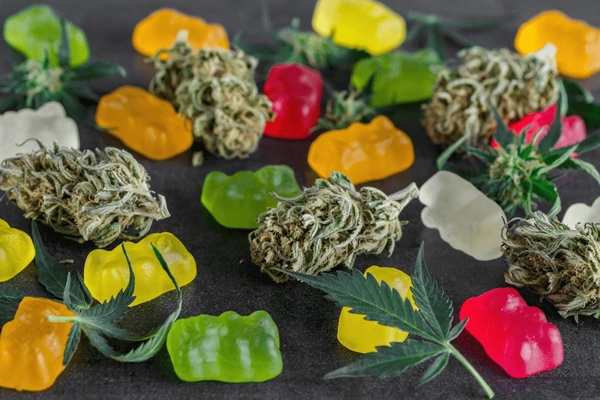
Cannabis Candy refers to confectionery products infused with cannabinoids, primarily tetrahydrocannabinol (THC) and/or cannabidiol (CBD), derived from the cannabis plant. These edibles take familiar candy forms such as gummies, hard candies, chocolates, lollipops, caramels, and mints, providing a discreet, smoke-free consumption method with prolonged effects.
The modern cannabis candy market emerged in the 2010s alongside legal medical and recreational cannabis frameworks, building on earlier homemade infusions and traditional preparations like Indian majoun. As of 2025, cannabis-infused candies represent a significant portion of the edibles category, often 40-60% of edible sales in mature markets like California, Colorado, and Canada. The global cannabis edibles market, heavily driven by candies, exceeds USD 10-15 billion, fueled by precise dosing, flavor variety, and appeal to both medical patients and recreational consumers seeking alternatives to inhalation.
Types of Cannabis Candy
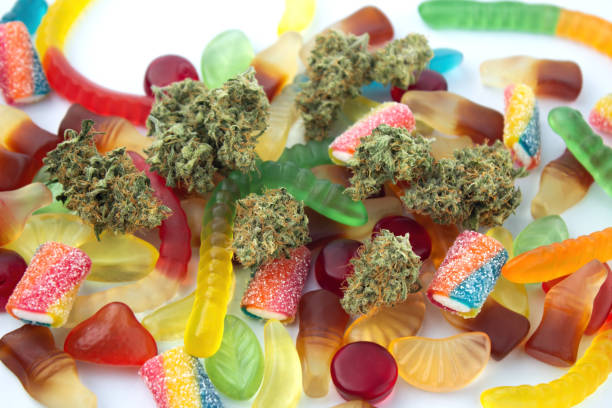
Cannabis Candies vary by format, potency, cannabinoid ratio, and onset:
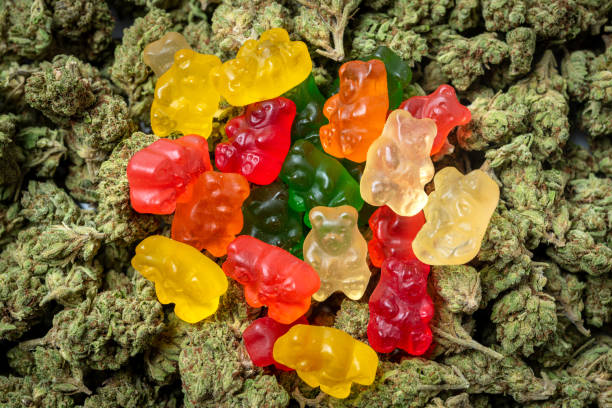
- Gummies Dominant form; chewy, fruit-flavored, easy to portion. Often 5-10 mg THC per piece; sour, vegan, or sugar-free variants popular.
- Hard Candies and Lollipops Sublingual absorption potential; longer shelf life, slower onset when swallowed.
- Chocolates and Caramels Fat content enhances bioavailability; premium dark/milk chocolate bars or bites.
- Mints and Lozenges Breath-freshening with sublingual delivery; low-calorie.
- Taffy, Brittles, and Novelty Chewy or crunchy textures; seasonal or themed shapes.
Cannabinoid profiles:
- THC-dominant: Psychoactive euphoria.
- CBD-dominant: Non-intoxicating relief.
- Balanced 1:1: Mild effects.
- Minor cannabinoid-focused: CBN (sleep), CBG (focus).
Onset modifiers: Traditional (60-120 minutes), fast-acting nano-emulsified (15-45 minutes).
Production and Formulation
Commercial manufacturing follows strict regulations:
- Extraction: CO₂ or ethanol to produce oil/distillate.
- Decarboxylation: Activates THC/CBD.
- Infusion: Cannabinoids emulsified or dissolved into candy base (sugar syrup, gelatin/pectin, chocolate).
- Homogenization: Ensures uniform distribution (critical for accurate dosing).
- Molding/Cooling: Depositors fill molds; cooling tunnels set texture.
- Testing: Third-party labs verify potency, homogeneity, contaminants.
- Packaging: Child-resistant, labeled with warnings.
Dosage precision: ±10-15% variance allowed in most jurisdictions.
Effects and Pharmacokinetics
Edibles metabolize differently from inhalation:
- First-pass liver effect converts THC to 11-hydroxy-THC (more potent, longer-lasting).
- Onset: 30-120 minutes.
- Peak: 2-4 hours.
- Duration: 6-12 hours.
Effects: Deep body relaxation, euphoria, appetite stimulation, pain relief; risk of overconsumption due to delayed onset.
Benefits and Uses
- Discreet, lung-friendly.
- Long-lasting therapeutic relief (chronic pain, insomnia, anxiety).
- Precise medical dosing.
- Flavor masking of cannabis taste.
Medical applications: Nausea (chemotherapy), spasticity (MS), seizures (epilepsy via CBD).
Risks and Safety Considerations
- Overdose potential (anxiety, paranoia, hallucinations).
- Accidental ingestion by children/pets (candy appearance).
- Impaired driving (effects persist).
- Variable potency in unregulated products.
Regulations mandate child-proof packaging, serving limits (e.g., 10 mg THC/package), warnings.
Market and Popular Products
Leading brands: Wyld, Kiva, Wana, Incredibles. Trends:
- Low-dose (2.5-5 mg).
- Functional (sleep, energy, focus).
- Vegan/gluten-free.
- Fast-acting formulations.
Gummies outsell other forms 2:1.
Legal Status
Varies globally:
- Recreational legal: Canada, parts of U.S., Uruguay.
- Medical only: Many countries.
- Restricted: Much of Asia, Middle East.
Edibles often face stricter dosage/packaging rules.
Conclusion
Cannabis candy combines confectionery appeal with potent, long-acting cannabinoid delivery, driving edibles market growth. Innovations in flavor, texture, and onset speed enhance user experience while regulations prioritize safety. Responsible consumption—starting low, waiting for effects—remains essential given delayed onset and intensity. As legalization expands and formulations refine, cannabis candy will continue shaping discreet, enjoyable consumption in medical and recreational contexts.
More articles by ZMR Researche:
https://www.zionmarketresearch.com/de/report/natural-food-color-market
https://www.zionmarketresearch.com/de/report/cnc-video-measuring-market
https://www.zionmarketresearch.com/de/report/industrial-sulfuric-acid-market
https://www.zionmarketresearch.com/de/report/esim-market
https://www.zionmarketresearch.com/de/report/philippines-warehousing-market