
Cannabis, derived from the Cannabis sativa plant, contains over 100 cannabinoids, with delta-9-tetrahydrocannabinol (THC) (psychoactive) and cannabidiol (CBD) (non-psychoactive) being the most studied. Therapeutic cannabis—pharmaceutical-grade or medical products—has been explored for pain, nausea, epilepsy, and other conditions, while recreational use often drives public interest in broader claims.
Scientific evidence as of 2025 remains mixed: Strong for a few FDA-approved indications (e.g., certain seizures, chemotherapy nausea), moderate for some symptom relief (chronic pain, spasticity), but weak or insufficient for many popular uses like anxiety, insomnia, or general wellness. Major 2025 reviews (e.g., UCLA/JAMA analysis of >2,500 studies) conclude that public perception outpaces evidence, with benefits limited and risks notable, especially with high-potency products.
Cannabis shows therapeutic potential but is not a panacea; benefits are often modest, short-term, and vary by formulation/dose.
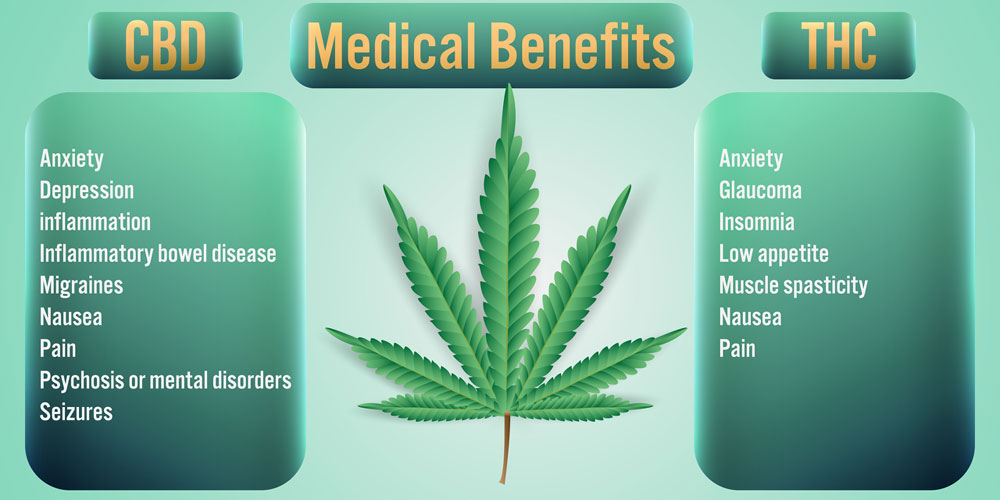
Established Medical Benefits (Strong Evidence)
Pharmaceutical cannabinoids have clear approvals:
- Chemotherapy-Induced Nausea and Vomiting Dronabinol (synthetic THC) and nabilone approved; moderate-strong evidence for reduction.
- Appetite Stimulation in HIV/AIDS Dronabinol increases weight/appetite.
- Severe Pediatric Epilepsy CBD (Epidiolex) reduces seizures in Dravet/Lennox-Gastaut syndromes (high-quality RCTs).
- Multiple Sclerosis Spasticity Nabiximols (THC/CBD spray) improves patient-reported spasticity.
These are pharmaceutical-grade, not herbal cannabis.
Promising but Moderate/Limited Evidence
- Chronic Pain Small-moderate reductions (neuropathic, cancer-related); THC/CBD combinations show short-term benefits, but not superior to alternatives; no acute pain relief.
- Sleep Disturbance Short-term improvement in pain-related or MS sleep issues; no strong evidence for primary insomnia.
- Anxiety Acute low-dose THC or CBD reduces social anxiety; chronic evidence weak/inconclusive.
- Inflammatory Conditions (e.g., IBD) Some quality-of-life improvement; limited symptom relief.
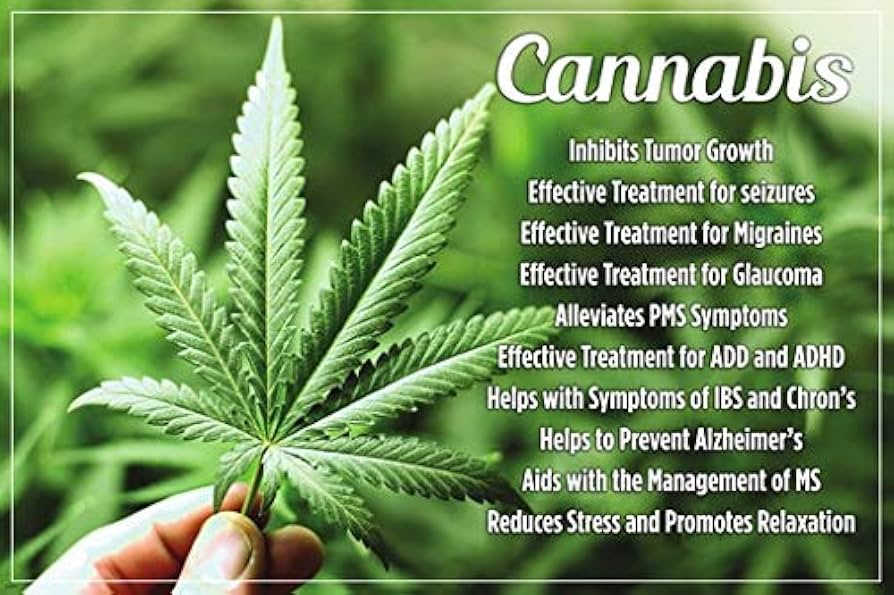
Other claims (depression, PTSD, addiction) lack robust support.
Risks and Limitations
- Mental Health: High-potency THC linked to psychosis, anxiety exacerbation.
- Dependence: 20-30% medical users develop cannabis use disorder.
- Cardiovascular: Increased heart attack/stroke risk (observational).
- Driving Impairment.
- Pregnancy: Low birth weight, developmental issues.
Evidence gaps: Most studies short-term, low-quality; herbal cannabis variable.
Conclusion
Cannabis offers proven benefits in limited areas (nausea, epilepsy, spasticity) via approved pharmaceuticals, with moderate potential for chronic pain and some symptoms. Popular claims for anxiety, insomnia, and broad wellness lack strong support as of 2025 reviews. Risks, especially with high-THC recreational products, are significant. Consult professionals; evidence-based use maximizes benefits while minimizing harms. Ongoing research may clarify more applications.
More articles by ZMR Researche:
https://www.zionmarketresearch.com/de/report/bath-and-shower-products-market
https://www.zionmarketresearch.com/de/report/cheese-powder-market
https://www.zionmarketresearch.com/de/report/pharmaceutical-filtration-market
https://www.zionmarketresearch.com/de/report/beverage-acidulants-market
https://www.zionmarketresearch.com/de/report/business-rules-management-system-market