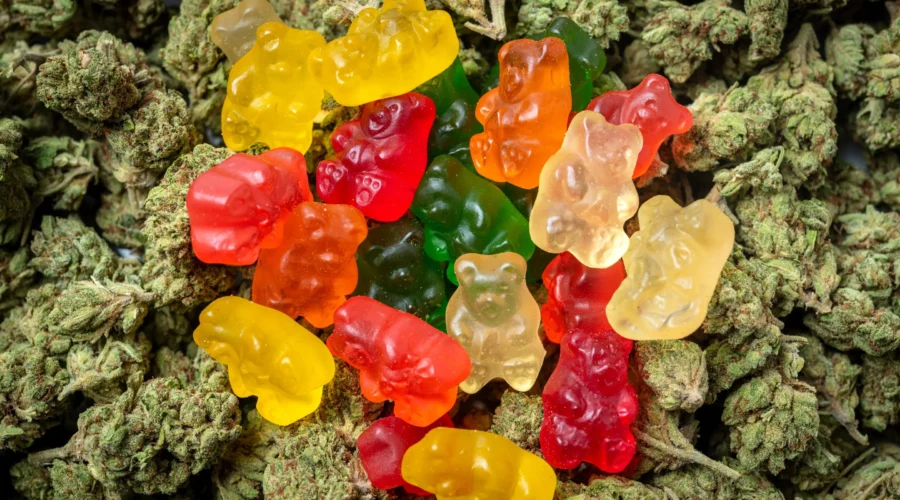
Cannabis Gummies, also known as cannabis-infused gummies or weed edibles, are chewy, fruit-flavored candies embedded with cannabinoids like THC, CBD, or blends. They provide a discreet, smoke-free way to consume cannabis, offering precise dosing and prolonged effects compared to inhalation.
Since legalization in regions like Canada (2018) and many U.S. states, gummies have become the top-selling edible category, often comprising 60-70% of edible sales in mature markets. Flavors mimic popular candies (sour worms, bears, rings), with potencies ranging from 2.5mg microdoses to 100mg+ for experienced users. In 2025, the edibles segment continues rapid growth, driven by wellness trends and innovative formulations.
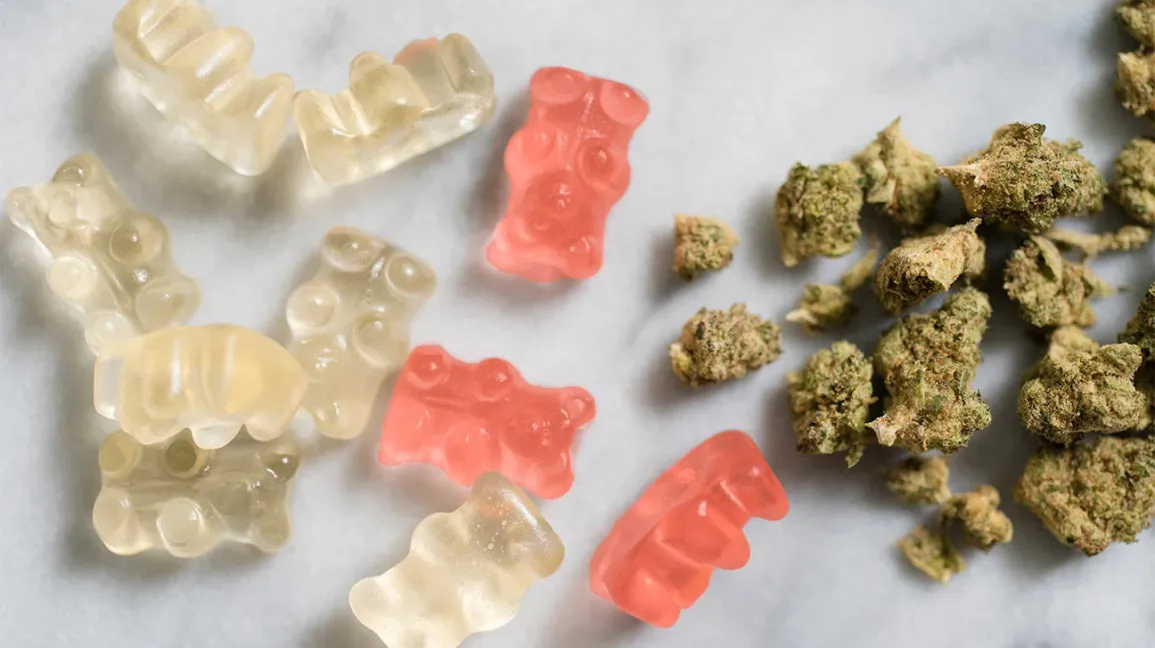
Types and Formulations
Gummies vary by cannabinoid content and effects:
- THC-Dominant — Psychoactive, for euphoria and relaxation.
- CBD-Dominant — Non-intoxicating, for anxiety relief and inflammation.
- Balanced THC:CBD — (e.g., 1:1) for milder, therapeutic effects.
- Minor Cannabinoid Blends — With CBG, CBN (for sleep), or THCV (appetite suppression).
- Full-Spectrum vs. Isolate — Full-spectrum includes terpenes for enhanced “entourage effect.”
Specialized options: Vegan (pectin-based), sugar-free, fast-acting (nano-emulsified), or sleep-focused with melatonin.
How Cannabis Gummies Are Made
Commercial production involves precise infusion for uniform dosing:
- Cannabis Extraction → CO₂ or ethanol to create oil/distillate.
- Decarboxylation → Heating to activate THC/CBD.
- Emulsification → Mixing cannabinoids into a carrier (e.g., MCT oil) for bioavailability.
- Gummy Base Preparation → Gelatin or pectin, sugar, flavorings, colors heated.
- Infusion and Molding → Cannabinoid mixture added; poured into molds.
- Curing and Coating → Drying, optional sugar/sour coating.
- Testing and Packaging → Lab-tested for potency, contaminants; child-resistant packaging.
Effects and Onset
Edibles metabolize through the liver, converting THC to 11-hydroxy-THC—a more potent, longer-lasting compound. Onset: 30-120 minutes; peak: 2-4 hours; duration: 6-12 hours.
Common effects: Deep relaxation, euphoria, pain relief, increased appetite (“munchies”), enhanced sensory perception.
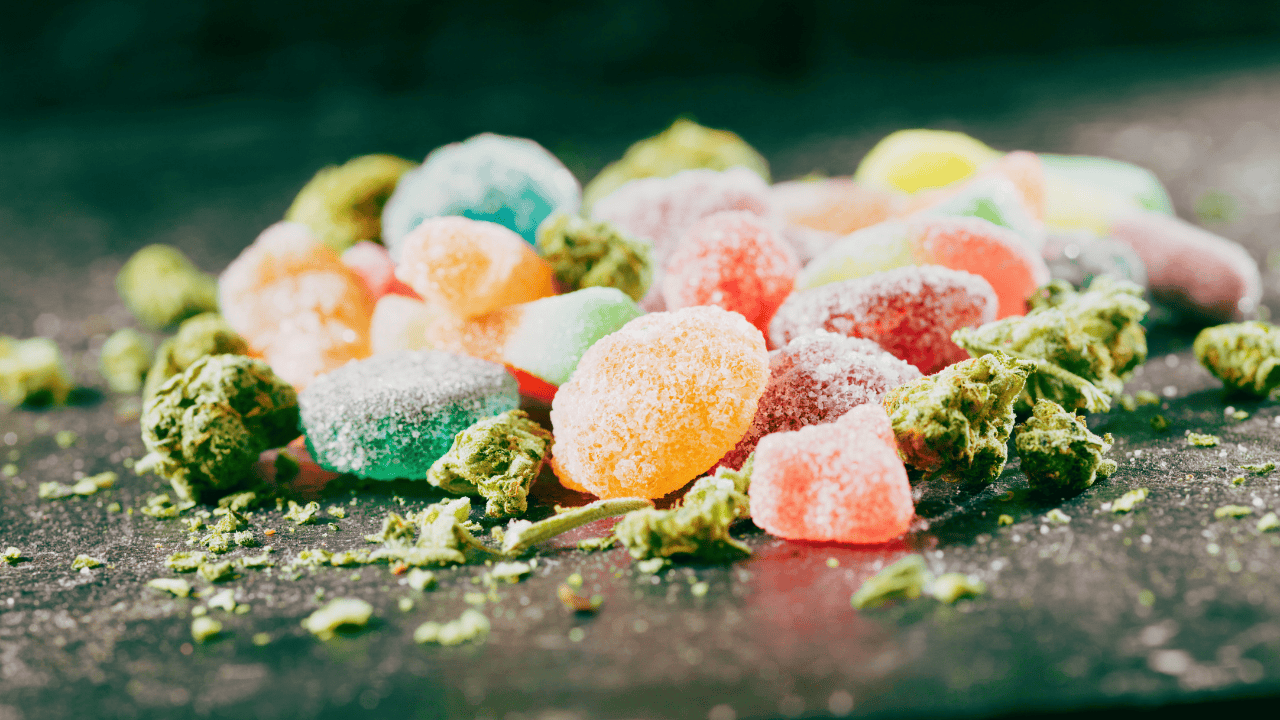
Benefits and Therapeutic Uses
- Discreet and smoke-free.
- Long-lasting relief for chronic pain, insomnia, anxiety.
- Precise dosing (especially low-dose options).
- Potential for nausea reduction, appetite stimulation in medical patients.
Risks and Safety Considerations
- Delayed onset leads to overconsumption.
- Stronger, unpredictable effects—especially for novices.
- Risks for children/pets due to candy-like appearance (many poison control calls).
- Impaired driving; interactions with medications.
- Start low (5-10mg THC), go slow.
Regulations mandate child-resistant packaging and clear labeling.
Market and Popular Brands
Leading brands: Wyld, Kiva, Incredibles, Wana, Plus Products—known for consistent dosing and flavors. Nano-emulsified “fast-acting” gummies reduce onset time.
Conclusion
Cannabis gummies offer an accessible, enjoyable entry to edibles, blending confectionery appeal with potent effects. Their popularity reflects broader acceptance of cannabis for wellness and recreation, but responsible use—starting with low doses and waiting for effects—is crucial for safety. As formulations advance (e.g., better bioavailability), gummies remain a staple in the evolving cannabis landscape.
More articles by ZMR Researche:
https://www.zionmarketresearch.com/de/report/paper-cushion-machines-market
https://www.zionmarketresearch.com/de/report/paprika-market
https://www.zionmarketresearch.com/de/report/smart-pet-feeder-market
https://www.zionmarketresearch.com/de/report/over-the-counter-otc-hearing-aids-market
https://www.zionmarketresearch.com/de/report/point-of-sale-display-market