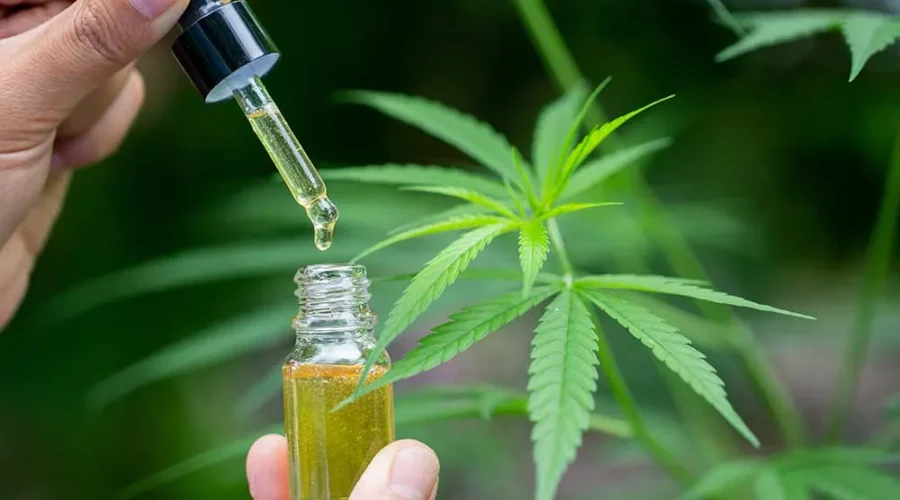
Cannabidiol (CBD) is a naturally occurring compound found in the cannabis plant, one of over 100 phytocannabinoids identified. Unlike tetrahydrocannabinol (THC), CBD is non-psychoactive, meaning it does not produce a “high.”
It has gained immense popularity for its potential therapeutic benefits, including anti-inflammatory, analgesic, anxiolytic, and anticonvulsant properties. As of 2025, CBD is widely available in oils, edibles, capsules, and topicals, with strong evidence supporting its use in certain epilepsies and emerging research for anxiety, pain, and other conditions.
History and Discovery
CBD was first isolated in 1940 by American chemist Roger Adams from Minnesota wild hemp. Its chemical structure was elucidated in 1963 by Raphael Mechoulam and colleagues in Israel, who also clarified its non-psychoactive nature. Mechoulam’s work in the 1960s–1970s laid the foundation for cannabinoid research, including synthesis and early pharmacological studies.
Interest surged in the 2010s with anecdotal reports of CBD-rich cannabis helping children with severe epilepsy. This led to FDA approval of Epidiolex (purified CBD) in 2018 for rare epilepsies. By 2025, research continues expanding, though many claims remain preliminary.
Chemical Structure and Sources
CBD’s formula is C₂₁H₃₀O₂, a resorcinol-based compound with a pentyl chain and hydroxyl groups.
It occurs naturally in cannabis sativa (hemp and marijuana), higher in hemp (<0.3% THC). Extraction uses CO₂, ethanol, or solvents from hemp biomass.
Products include full-spectrum (with trace cannabinoids), broad-spectrum (THC-free), and isolates.
Medical Uses and Evidence
Strongest evidence is for epilepsy: Epidiolex reduces seizures in Dravet syndrome, Lennox-Gastaut syndrome, and tuberous sclerosis complex.
Promising areas:
- Anxiety and Depression → Reduces symptoms in some studies.
- Pain and Inflammation → Potential for chronic pain, arthritis.
- Other → Neuroprotection, sleep, acne; limited evidence for cancer, heart health.
2025 reviews note strong support for epilepsy but insufficient for most claims like chronic pain or insomnia.
Products and Forms
Common forms:
- Oils/tinctures → Sublingual for fast absorption.
- Edibles (gummies, capsules) → Longer-lasting.
- Topicals, vapes.
Dosing varies; start low (10–20mg/day).
Side Effects and Safety
CBD is generally well-tolerated. Common side effects: Fatigue, diarrhea, appetite changes, dry mouth. May interact with medications (e.g., via CYP450 enzymes). High doses can elevate liver enzymes. Safe in approved uses; unregulated products vary in quality.
Legal Status (2025)
Hemp-derived CBD (<0.3% THC) is federally legal in the US (2018 Farm Bill), but state variations exist. Globally: Legal in many countries (e.g., EU with <0.2–0.3% THC limits), restricted/prohibited in others (e.g., parts of Asia). Prescription CBD (Epidiolex) approved in US, EU, elsewhere.
CBD offers proven benefits for specific conditions and potential for others, but evidence is evolving. Consult healthcare providers, especially with medications. Choose third-party tested products for safety.
More articles by ZMR Researche:
https://www.zionmarketresearch.com/de/report/china-hyaluronidase-market
https://www.zionmarketresearch.com/de/report/micro-system-on-module-som-market
https://www.zionmarketresearch.com/de/report/radio-remote-control-equipment-market
https://www.zionmarketresearch.com/de/report/wrist-blood-pressure-monitors-market-size
https://www.zionmarketresearch.com/de/report/thiophene-market