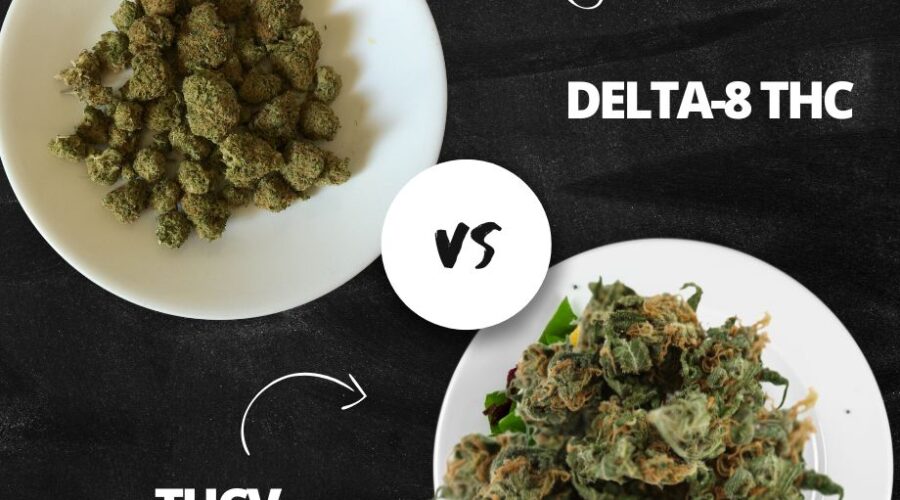
Delta-8 THC (delta-8-tetrahydrocannabinol) is a naturally occurring cannabinoid found in trace amounts in cannabis plants, chemically similar to the more abundant delta-9 THC (the primary psychoactive compound in marijuana) but with a milder effect. The key structural difference—a double bond on the eighth carbon chain versus the ninth in delta-9—results in lower potency and reduced likelihood of anxiety or paranoia.
Delta-8 gained explosive popularity in the early 2020s following the 2018 U.S. Farm Bill, which legalized hemp (cannabis with <0.3% delta-9 THC), creating a loophole for hemp-derived delta-8 products. Most commercial delta-8 is synthetically converted from CBD isolate. Products include gummies, vapes, tinctures, and edibles, marketed as a “legal high” or therapeutic alternative. However, a major federal law change in late 2025 (effective November 2026) bans most intoxicating hemp-derived cannabinoids, including delta-8, by redefining hemp to exclude synthesized THC isomers and imposing strict total THC limits.
As of early 2026, delta-8 remains available in many areas but faces rapid regulatory closure. The pre-ban market generated billions in sales, reflecting demand for milder psychoactivity.
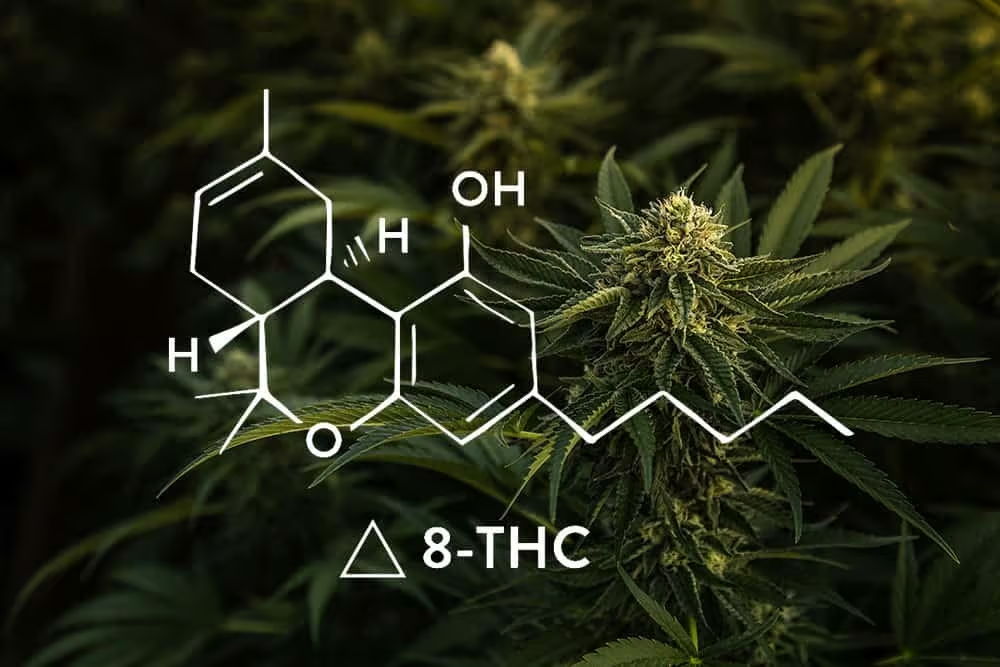
Chemical Structure and Differences from Delta-9 THC
Delta-8 and delta-9 THC share the formula C₂₁H₃₀O₂ but differ in double bond position:
- Delta-9: Double bond on ninth carbon—stronger CB1 receptor binding.
- Delta-8: Double bond on eighth carbon—~50-70% potency of delta-9.
This reduces intense euphoria/anxiety while retaining relaxation, pain relief, and appetite stimulation. Delta-8 occurs naturally in <1% concentrations; commercial versions are lab-synthesized (often criticized as “synthetic”).
Production and Products
Most delta-8 is produced by:
- Isolating CBD from hemp.
- Acid-catalyzed isomerization (solvents, heat).
Products:
- Gummies/edibles (most popular).
- Vapes/cartridges.
- Tinctures.
- Flower (hemp buds sprayed with delta-8 distillate).
Potencies: 10-100 mg/serving; flavors mask taste.
Effects and Benefits
Users report:
- Mild euphoria, relaxation.
- Clear-headed focus.
- Reduced anxiety/paranoia vs. delta-9.
- Pain relief, nausea reduction, appetite stimulation.
Potential benefits (limited evidence):
- Similar to delta-9 but milder.
- Therapeutic for anxiety-sensitive users.
Onset/duration: Edibles 30-120 minutes/4-8 hours; vapes immediate/2-4 hours.
Risks and Side Effects
- Overconsumption (delayed edibles onset).
- Contaminants (solvents, heavy metals in unregulated products).
- Mild: Dry mouth, red eyes, dizziness.
- Psychological: Anxiety in high doses.
- Unknown long-term (limited research).
Pre-2026 unregulated market raised contamination concerns (e.g., vitamin E acetate echoes).
Legal Status
- Pre-2026: Federal loophole allowed hemp-derived delta-8 (<0.3% delta-9).
- 2025 Federal Ban (H.R. 5371, effective Nov 2026): Redefines hemp to exclude synthesized THC, total THC >0.3%, intoxicating cannabinoids—bans most delta-8/THCA products nationwide.
- State Variations (pre-ban): ~20-25 states banned/restricted; others allowed.
- Post-2026: Likely illegal federally; states may vary.
Challenges pending; industry lobbying for repeal.
Market Size and Trends
- Peak ~USD 2-3 billion (2021-2023).
- Gummies/vapes dominant.
- Growth in restricted states as “legal” alternative.
- Post-ban shift to compliant delta-9 hemp edibles (<0.3% delta-9 but higher total THC via THCA).
Conclusion
Delta-8 THC offered a milder, accessible psychoactive experience via hemp loophole, booming until 2025 federal closure. Its lower potency appealed for relaxation without intense effects, but unregulated synthesis raised safety issues. The 2026 ban ends most commercial availability, redirecting to regulated cannabis or compliant hemp. Limited research leaves benefits/risks unclear; consumers should prioritize tested products in legal windows. Delta-8 highlights regulatory gaps in emerging cannabinoids.
More articles by ZMR Researche:
https://www.zionmarketresearch.com/de/report/interconnect-data-center-solution-market
https://www.zionmarketresearch.com/de/report/resolvers-market
https://www.zionmarketresearch.com/de/report/escape-room-market
https://www.zionmarketresearch.com/de/report/rx-medical-food-market
https://www.zionmarketresearch.com/de/report/immunochemistry-analyzers-market