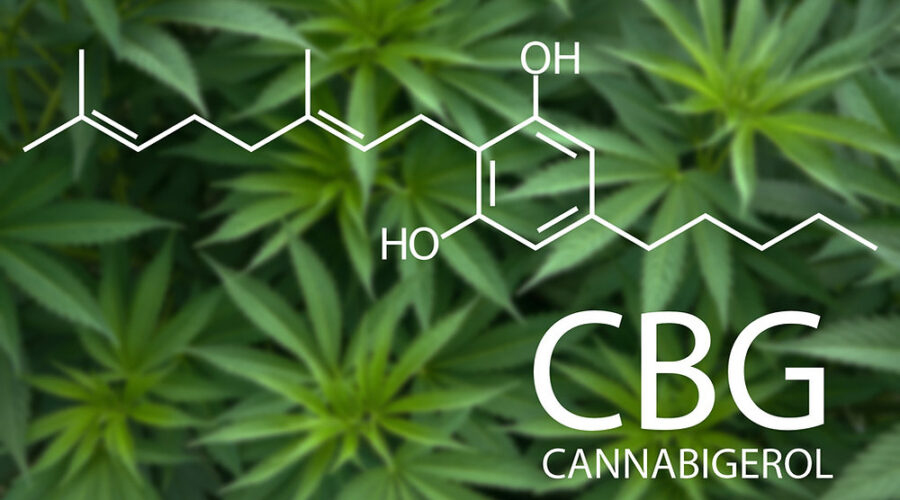
CBG, or cannabigerol, is a non-psychoactive cannabinoid found in the cannabis plant (Cannabis sativa), often called the “mother of all cannabinoids” or “stem cell cannabinoid.” It serves as the chemical precursor from which most other major cannabinoids—like THC (tetrahydrocannabinol), CBD (cannabidiol), CBC (cannabichromene), and CBN—are derived during the plant’s growth.
CBG exists in its acidic form as cannabigerolic acid (CBGA) early in the plant’s lifecycle. As the cannabis plant matures and is exposed to heat, light (UV), or enzymatic processes, CBGA converts into other cannabinoid acids (THCA, CBDA, etc.), which then decarboxylate into THC, CBD, and others. Because this conversion happens naturally, mature cannabis plants contain only trace amounts of CBG (typically <1%), making it a “minor cannabinoid” and products derived from it rarer and often more expensive than CBD or THC-dominant items.
Interest in CBG has surged in recent years due to its promising therapeutic potential, distinct effects, and non-intoxicating nature—no “high” like THC. As of 2026, CBG products (oils, gummies, capsules, isolates) are increasingly available in wellness markets, especially in regions with hemp-friendly regulations.
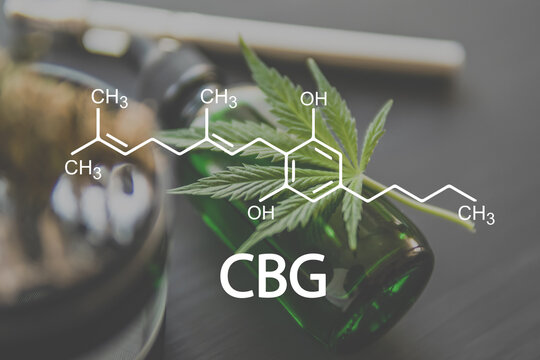
How CBG Works
CBG interacts with the body’s endocannabinoid system (ECS), a network regulating mood, pain, inflammation, appetite, sleep, and more. Unlike CBD (which indirectly modulates endocannabinoids), CBG binds more directly (though weakly) to CB1 and CB2 receptors:
- Acts as a partial agonist/antagonist at CB1/CB2.
- Strongly activates α2-adrenergic receptors (influencing blood pressure, heart rate, sedation).
- Antagonizes serotonin 5-HT1A receptors and TRPM8 channels.
- Influences GABA, dopamine, and serotonin pathways for mood and focus effects.
This multi-target profile contributes to CBG’s broad potential, often differing from CBD’s more indirect action or THC’s strong CB1 activation (psychoactive).
Potential Benefits
Research on CBG remains emerging (mostly preclinical/animal studies + limited human trials), but promising areas include:
- Anxiety & Stress Relief A landmark 2024 human clinical trial (Washington State University) found 20 mg hemp-derived CBG significantly reduced anxiety at 20, 45, and 60 minutes post-ingestion vs. placebo, with lowered stress ratings and no intoxication, cognitive/motor impairment, or major side effects. Surveys show many users prefer CBG over conventional anxiety meds.
- Anti-Inflammatory & Pain Support CBG demonstrates strong anti-inflammatory effects (sometimes outperforming other cannabinoids), potentially easing arthritis, IBD, or chemotherapy-induced neuropathy. It may attenuate mechanical hypersensitivity in pain models.
- Neuroprotective Effects Protects cells from excitotoxicity; shows promise in neurological conditions, glaucoma (via intraocular pressure reduction), and Huntington’s disease models.
- Antibacterial & Antimicrobial Particularly effective against MRSA and other resistant bacteria; stronger in some studies than CBD or THC.
- Appetite Stimulation Encourages normal food intake without strong “munchies” like THC; useful for cachexia or appetite issues.
- Mood, Focus & Energy Users report clearer-headed effects, improved concentration, and mild uplift—often contrasting CBD’s more sedative/calming profile.
- Other Areas Potential in cancer cell inhibition (e.g., breast cancer models), metabolic syndrome, bladder dysfunction, and skin health.
Evidence is strongest for anxiety (human data) and inflammation/neuroprotection (preclinical). More large-scale human trials are needed.
Side Effects & Safety
CBG is generally well-tolerated with mild side effects:
- Dry mouth
- Drowsiness/fatigue
- Appetite changes
- Dizziness or low blood pressure (due to α2-adrenergic activation)
Rare concerns include cardiovascular effects (decreased heart rate/BP) or sedation at higher doses. No intoxication or major cognitive impairment reported in trials. CBG may interact with medications via CYP450 enzymes (like CBD). Avoid if pregnant/breastfeeding; consult a doctor, especially with blood pressure meds.
Dosage Guidelines
No official standard exists—personalize:
- Beginner — 5–10 mg/day
- Moderate — 10–25 mg
- Higher needs — 25–50+ mg (split doses)
Start low, increase gradually. Effects onset 15–60 min sublingually (tinctures) or 30–120 min orally (edibles/capsules). Consistent use may enhance benefits.
CBG vs. CBD vs. THC Comparison
| Aspect | CBG (Cannabigerol) | CBD (Cannabidiol) | THC (Tetrahydrocannabinol) |
|---|---|---|---|
| Psychoactive? | No | No | Yes (euphoric high) |
| Abundance | Minor (trace in mature plants) | Major (abundant in hemp) | Major in marijuana |
| Receptor Binding | Direct (weak) to CB1/CB2; strong α2-adr. | Indirect modulation | Strong CB1 agonist |
| Main Effects | Focus, energy, mild calm, anti-anxiety | Calm, stress/sleep support, anti-inflammatory | Euphoria, relaxation, appetite boost |
| Key Benefits | Anxiety reduction, neuroprotection, antibacterial | Anxiety, sleep, pain, inflammation | Pain, nausea, appetite (stronger) |
| Common Products | Oils, isolates, blends (often with CBD) | Oils, gummies, topicals | Edibles, flower (legal states only) |
CBG offers a “clearer” profile for daytime use; CBD suits relaxation/sleep; THC provides stronger psychoactivity.
Legality in 2026
United States Hemp-derived CBG (<0.3% delta-9 THC by dry weight) is federally legal under the 2018 Farm Bill. Recent 2025–2026 changes tightened rules (e.g., <0.4 mg total THC per container), mainly impacting intoxicating hemp products (delta-8/THC analogs). Pure CBG (non-intoxicating) remains widely accessible, though full-spectrum versions may face scrutiny if THC exceeds limits. State laws vary.
India (including Maharashtra/Nagpur) Hemp-derived, non-psychoactive cannabinoids like CBG (with THC <0.3%) are permitted for wellness, industrial, or medicinal use if compliant. Governed by:
- NDPS Act 1985 — Bans high-THC cannabis; low-THC hemp/CBD/CBG exempt.
- FSSAI — Hemp seeds/oils/CBD products certified as food if <0.3% THC.
- AYUSH/Drugs & Cosmetics Act — Medical formulations may require licensing/prescription.
Maharashtra restricts hemp cultivation/processing (permission needed); no recreational market. THC-containing products illegal recreationally. CBG products (oils, gummies) sold online/pharmacies if lab-tested (<0.3% THC, no contaminants). Avoid imports without verification—enforcement risks exist. Consult a doctor for therapeutic use.
How to Choose Quality CBG Products
- Third-party lab testing (COA) for potency, purity, contaminants.
- Hemp source (organic, U.S./EU preferred).
- Spectrum: Isolate (pure CBG) or blends (CBG + CBD for entourage).
- Transparent brands with clear mg labeling.
Popular formats: tinctures (fast absorption), capsules (convenient), gummies (tasty).
Conclusion
CBG stands out as a versatile, non-intoxicating cannabinoid with unique potential for anxiety relief, neuroprotection, inflammation support, and focus—often complementing CBD in blends. While research grows (especially human trials for anxiety), it’s not a cure-all; benefits vary individually. Prioritize quality-tested, compliant products and start conservatively. In India (Nagpur/Maharashtra), stick to low-THC hemp-derived CBG from verified sources to remain legal. Consult a healthcare professional for personalized advice, especially with conditions or medications, to use safely and effectively in this evolving cannabinoid landscape.
More articles by ZMR Researche:
https://www.zionmarketresearch.com/de/report/glycerol-monostearate-market
https://www.zionmarketresearch.com/de/report/anti-static-bags-for-electronics-market
https://www.zionmarketresearch.com/de/report/asset-recovery-services-market
https://www.zionmarketresearch.com/de/report/surface-mount-technology-market-size
https://www.zionmarketresearch.com/de/report/subsea-trencher-market