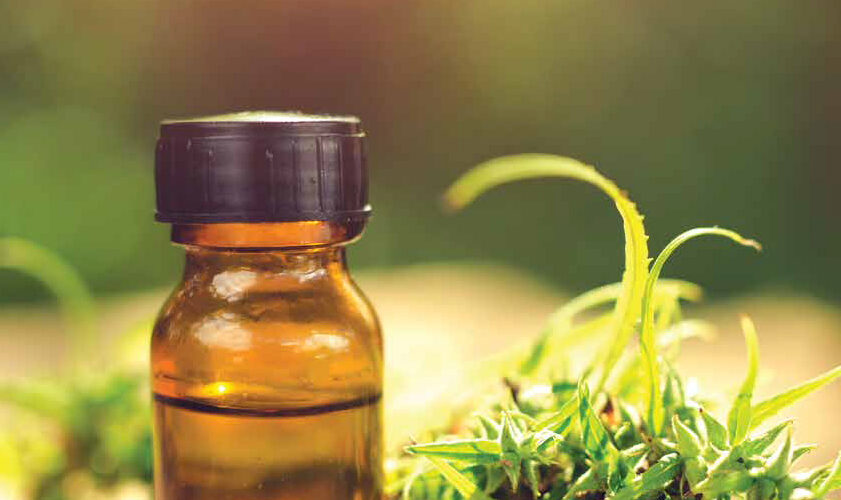
CBD Tincture is a liquid extract of cannabidiol (CBD)—a non-psychoactive cannabinoid derived from hemp or cannabis—dissolved in a carrier oil or alcohol base, typically administered sublingually (under the tongue) for fast absorption. Tinctures are one of the most popular and versatile CBD delivery methods, valued for precise dosing, rapid onset, and long shelf life. Unlike CBD oils (often just CBD in carrier oil), traditional tinctures use alcohol extraction, though modern “CBD tinctures” frequently refer to alcohol- or oil-based extracts interchangeably.
CBD tinctures gained mainstream attention in the 2010s following the 2018 U.S. Farm Bill legalizing hemp-derived CBD (<0.3% THC). As of 2025, the global CBD tincture and oil market exceeds USD 5-7 billion, representing a significant portion of the broader USD 20+ billion CBD industry. Consumers use tinctures for wellness support—stress relief, sleep improvement, pain management, and inflammation reduction—though medical claims remain limited by regulation. Leading brands include Charlotte’s Web, cbdMD, Lazarus Naturals, NuLeaf Naturals, and Joy Organics, offering full-spectrum, broad-spectrum, and isolate options in various strengths (300-5000+ mg per bottle).
History and Evolution
Cannabis Tinctures date to ancient civilizations—Chinese texts (2700 BCE) and Egyptian Ebers Papyrus (1550 BCE) describe cannabis infusions. In the 19th-early 20th century, alcohol-based cannabis tinctures were standard in Western pharmacopeias (U.S. Pharmacopeia 1850-1942) for pain, spasms, and insomnia.
Prohibition halted progress until the 1990s rediscovery of the endocannabinoid system (ECS). CBD isolation (1940, Adams; structure 1963, Mechoulam) and Farm Bill legalization spurred modern tinctures. Alcohol extraction declined due to taste; MCT/coconut/hemp seed oil bases dominate for palatability and bioavailability.
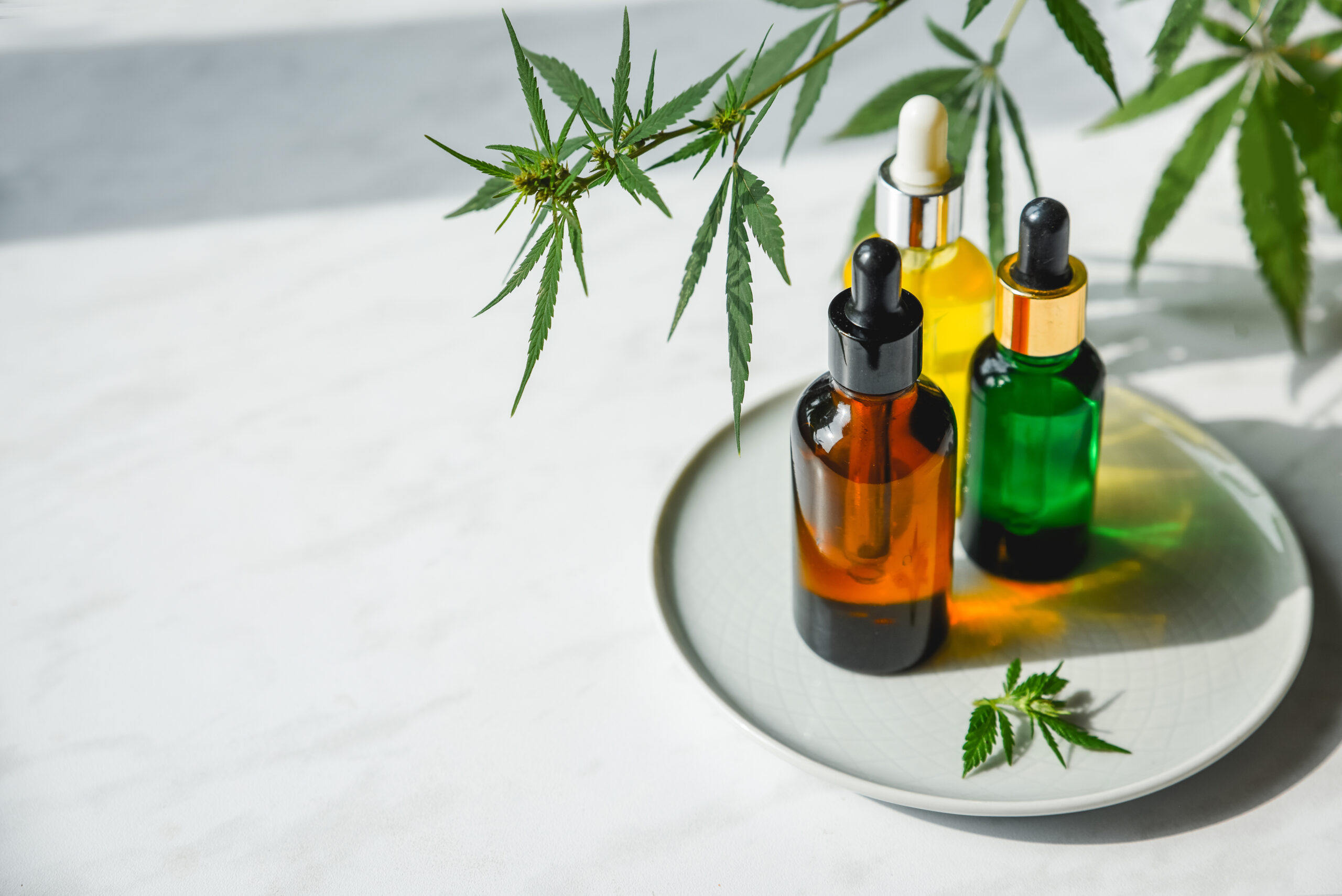
Types of CBD Tinctures
- Full-Spectrum Contains CBD + trace cannabinoids (including <0.3% THC), terpenes, flavonoids (“entourage effect”).
- Broad-Spectrum CBD + other cannabinoids/terpenes; THC removed.
- Isolate Pure CBD (>99%); no other compounds.
- Base/Carrier
- MCT/Coconut Oil: Neutral taste, fast absorption.
- Hemp Seed Oil: Nutty flavor, omega fatty acids.
- Alcohol/Glycerin: Traditional; sharper taste, quicker onset.
- Flavored vs. Unflavored Mint, citrus, berry mask earthy hemp taste.
Strengths: 300-10,000 mg/bottle (10-333 mg/ml); dropper dosing.
Production and Extraction
High-quality tinctures require careful processing:
- Source Material: Organic hemp flower (high-CBD strains).
- Extraction:
- CO₂: Clean, preserves terpenes (preferred).
- Ethanol: Efficient, full-spectrum.
- Olive/Oil Infusion: Home method.
- Winterization: Removes waxes/lipids.
- Distillation/Isolation: For broad/isolate.
- Formulation: Blend with carrier, flavor.
- Testing: Third-party labs for potency, contaminants (pesticides, heavy metals, solvents).
GMP facilities ensure consistency.
How CBD Tinctures Work
Sublingual administration:
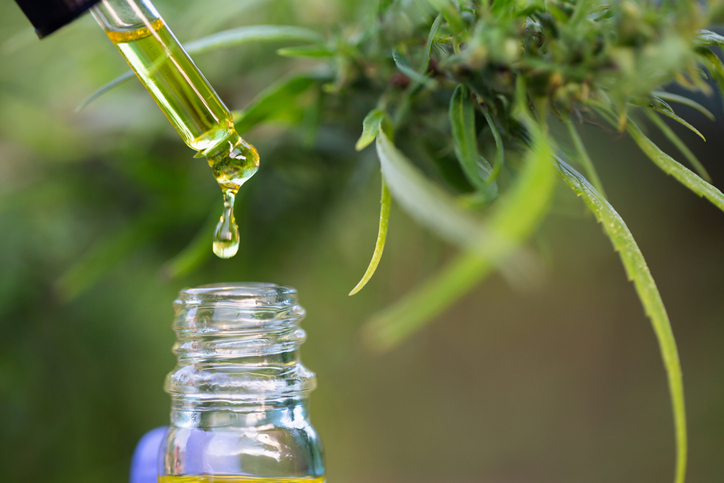
- Drops under tongue, hold 30-90 seconds.
- Absorbed via mucous membranes into bloodstream.
- Onset: 15-45 minutes.
- Duration: 4-6 hours.
- Bioavailability: 12-35% (higher than edibles).
Oral swallowing reduces onset speed (liver first-pass).
CBD interacts with ECS indirectly:
- Modulates CB1/CB2 receptors.
- Influences serotonin (5-HT1A), TRPV1 (pain), adenosine.
- Anti-inflammatory, antioxidant effects.
Benefits and Uses
Reported applications (evidence varies):
- Anxiety/stress reduction.
- Sleep improvement.
- Pain/inflammation relief (arthritis, neuropathy).
- Seizure control (FDA-approved Epidiolex for epilepsy).
- General wellness.
Strongest evidence: Epilepsy, anxiety; moderate for pain/sleep.
Dosage and Administration
- Start low: 5-10 mg/day.
- Titrate up weekly.
- Typical: 20-50 mg/day maintenance.
- Factors: Body weight, condition severity, tolerance.
Use calibrated dropper; consistent timing.
Safety and Side Effects
Generally well-tolerated:
- Mild: Dry mouth, drowsiness, appetite changes.
- Rare: Diarrhea, fatigue.
- Interactions: CYP450 enzymes (blood thinners, antidepressants).
Avoid if pregnant/breastfeeding. Drug tests: Full-spectrum may trigger THC positives.
Market Trends
- High-potency (5000+ mg).
- Flavored/nano-emulsified (faster onset).
- Organic/vegan.
- Bundle with CBN (sleep), CBG (focus).
- Subscription models.
Europe/North America lead; Asia growing.
Choosing a CBD Tincture
- Third-party COAs.
- Extraction method (CO₂ preferred).
- Spectrum (full for entourage).
- Carrier oil (MCT for absorption).
- Brand reputation/reviews.
Cost: USD 0.05-0.15/mg CBD.
Conclusion
CBD tinctures offer versatile, efficient cannabinoid delivery for wellness support, with customizable strength and spectrum suiting diverse needs. Backed by growing research—particularly for anxiety, epilepsy, and pain—they provide non-psychoactive relief in convenient form. Quality sourcing, proper dosing, and realistic expectations maximize benefits. As regulations clarify and formulations advance, CBD tinctures remain a cornerstone of the expanding cannabinoid wellness landscape.
More articles by ZMR Researche:
https://www.zionmarketresearch.com/de/report/track-dumper-market
https://www.zionmarketresearch.com/de/report/vr-fitness-game-market
https://www.zionmarketresearch.com/de/report/vegetable-hpmc-capsule-market
https://www.zionmarketresearch.com/de/report/cell-line-development-market
https://www.zionmarketresearch.com/de/report/digital-gaussmeters-market