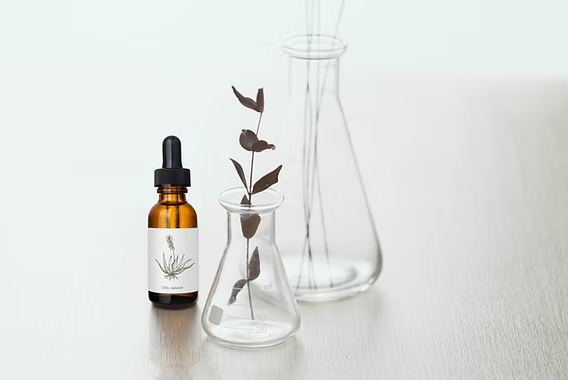
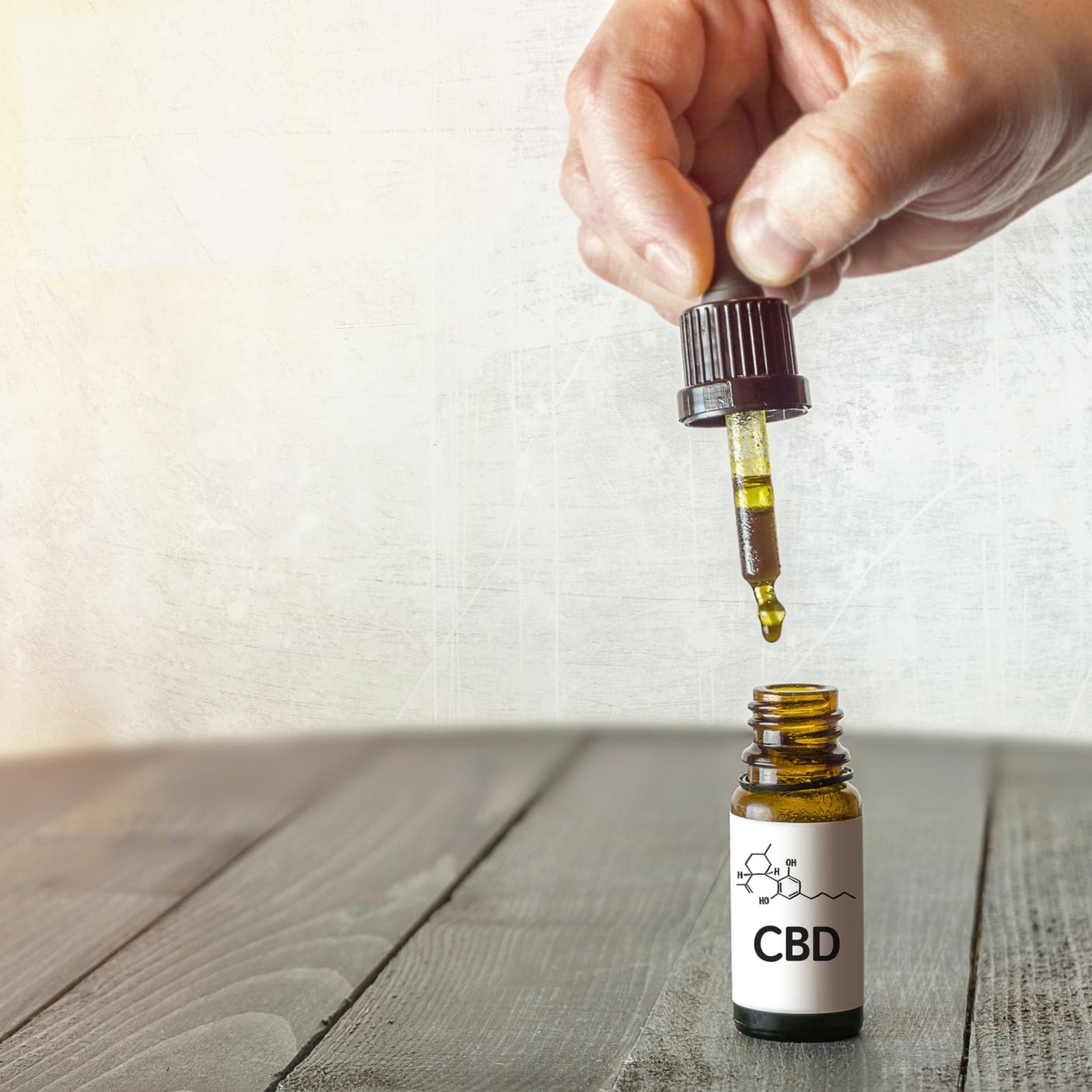
CBD tincture is a liquid extract of cannabidiol (CBD), a non-psychoactive compound from hemp or cannabis plants, typically dissolved in a carrier like alcohol, glycerin, or oil. Delivered via a dropper bottle, it allows precise sublingual (under-the-tongue) dosing for faster absorption than edibles.
Tinctures have ancient roots in herbal medicine, where alcohol extracts plant compounds. Modern CBD tinctures surged in popularity post-2018 U.S. Farm Bill, which legalized hemp-derived CBD (<0.3% THC). As of January 2026, they remain a top choice for wellness users seeking stress relief, better sleep, mild pain support, or general balance—discreet, portable, and easy to dose.
Unlike gummies (slow onset) or topicals (localized), tinctures offer systemic effects with quicker onset (15–60 minutes sublingually) and last 4–6 hours. They suit daily routines, from morning calm to evening wind-down.
CBD Tincture vs. CBD Oil: Key Differences
The terms are often used interchangeably, but distinctions exist:
- Extraction & Base Traditional tinctures use alcohol (ethanol) to extract cannabinoids, terpenes, and other compounds—yielding a potent, sometimes bitter solution. Modern consumer versions often replace alcohol with carrier oils (MCT, hemp seed, olive) for better taste and absorption.
- CBD Oil Typically refers to CBD suspended in a carrier oil (e.g., MCT or hemp seed) via CO₂ extraction—milder flavor, longer shelf life in some cases, but potentially slower absorption than alcohol-based versions.
- Practical Overlap Most “CBD tinctures” sold today are oil-based with flavorings to mask hemp taste. True alcohol-based tinctures remain available but less common due to bitterness. Both deliver similar benefits; choice depends on taste preference, absorption speed, and whether you want alcohol-free.
Comparison Table
| Aspect | CBD Tincture (Traditional/Alcohol-Based) | CBD Oil (Carrier Oil-Based) |
|---|---|---|
| Base | Alcohol or glycerin | MCT, hemp seed, olive oil |
| Taste | Often bitter/earthy (may add flavors) | Milder, nutty |
| Absorption | Faster sublingually | Slightly slower but consistent |
| Shelf Life | Longer (alcohol preserves) | Good, but sensitive to light/heat |
| Best For | Quick effects, precise dosing | Everyday use, flavor-sensitive users |
How CBD Tinctures Work
CBD interacts with the endocannabinoid system (ECS)—receptors (CB1/CB2) regulating mood, sleep, pain, inflammation, and stress. Unlike THC, CBD doesn’t strongly bind CB1 receptors (no high); it modulates them indirectly, potentially boosting natural endocannabinoids like anandamide.
Sublingual Use Hold drops under tongue 30–90 seconds → direct bloodstream absorption via mucous membranes → effects in 15–60 minutes. Swallowing routes through digestion → slower onset (30–120 minutes) but longer duration.
Potential Benefits
Research (including Epidiolex FDA approval for seizures) and user reports highlight:
- Anxiety & Stress May promote calm via serotonin receptor influence; many report reduced daily tension.
- Sleep Support Helps with falling asleep or quality, especially anxiety-related insomnia.
- Pain & Inflammation Anti-inflammatory properties may ease chronic discomfort, arthritis, or muscle soreness.
- General Wellness Mood balance, focus, recovery from exercise.
Evidence strongest for epilepsy; promising but mixed for anxiety/pain/sleep. Benefits vary by individual, dose, and product quality.
Dosage Guidelines
No universal dose—start low, go slow:
- Beginner — 10–20 mg/day
- Moderate — 25–50 mg
- Higher needs — 50–100+ mg (split doses)
Use dropper (usually 1 mL = ~20–50 mg CBD depending on strength). Factors: body weight, metabolism, purpose. Take consistently; effects may build over weeks. Consult a doctor, especially with medications (CBD affects CYP450 enzymes).
Side Effects & Safety
Generally well-tolerated; possible mild effects:
- Dry mouth
- Drowsiness/fatigue
- Appetite changes
- Digestive upset (diarrhea at high doses)
Rare liver concerns at very high doses. Avoid if pregnant/breastfeeding. Drug interactions possible (e.g., blood thinners). Choose third-party tested products to avoid contaminants.
How to Use CBD Tincture
- Shake bottle.
- Use dropper for desired dose.
- Place under tongue → hold 30–90 seconds.
- Swallow remainder.
- Optional: Add to food/drink (slower onset).
Store in cool, dark place.
Legality in 2026
United States Hemp-derived CBD tinctures (<0.3% THC) federally legal under 2018 Farm Bill. FDA regulates claims strictly—no approved dietary supplements; marketing limited. Some states restrict sales/age. Recent federal changes (late 2025) tightened hemp rules, but pure CBD remains accessible.
India (including Maharashtra/Nagpur) Hemp-derived CBD (<0.3% THC) is permitted for wellness/medical use if compliant (FSSAI-regulated, often prescription or AYUSH-linked). THC-containing products illegal under NDPS Act 1985. Maharashtra restricts hemp cultivation/possession without license; bhang (leaves) limited to festivals. Modern CBD tinctures/oils sold online or via authorized channels if low-THC and tested. Avoid imports without verification—enforcement risks exist. Consult local regulations; many use doctor guidance.
How to Choose Quality CBD Tincture
Prioritize:
- Third-party lab testing (COA) for potency, purity, no pesticides/heavy metals.
- Hemp source (U.S./organic preferred).
- Spectrum: Full (entourage effect, trace THC), Broad (THC-free), Isolate (pure CBD).
- Transparent labeling (mg CBD per dropper).
Popular 2026 options (based on reviews/testing): Lazarus Naturals (affordable, full-spectrum), Charlotte’s Web, Medterra, Joy Organics—praised for consistency, transparency.
Conclusion
CBD tinctures provide a versatile, fast-acting way to incorporate CBD into daily wellness—ideal for precise dosing and sublingual benefits. While promising for stress, sleep, and discomfort, results vary; they’re not medical cures. Prioritize quality-tested, compliant products and start conservatively. In regions like India (Maharashtra/Nagpur), stick to low-THC hemp-derived options from reputable sources. Consult a healthcare professional for personalized advice, especially with medications or conditions, to use safely and effectively.
More articles by ZMR Researche:
https://www.zionmarketresearch.com/de/report/pour-point-depressants-market
https://www.zionmarketresearch.com/de/report/liquid-crystal-polymers-lcps-market
https://www.zionmarketresearch.com/de/report/hyaluronidase-market
https://www.zionmarketresearch.com/de/report/anticoagulant-reversal-drugs-market