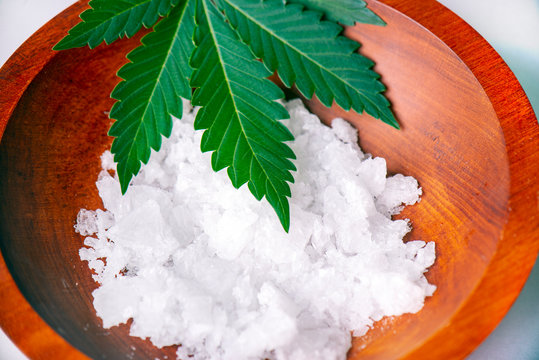
CBD isolate is the purest form of cannabidiol (CBD) available, typically containing 99%+ pure CBD with all other plant compounds (including THC, other cannabinoids, terpenes, flavonoids, chlorophyll, and waxes) removed. It appears as a white, crystalline powder or solid that resembles fine sugar or salt crystals when in powder form, or small translucent shards when in solid form.
Unlike full-spectrum or broad-spectrum CBD products—which retain a range of hemp-derived compounds for potential “entourage effect”—CBD isolate is stripped down to just CBD. This makes it:
- Completely THC-free (0.0% THC)
- Odorless and flavorless (no hemp taste)
- Highly versatile for custom dosing and formulation
- Ideal for people who want CBD benefits without any trace of THC or other cannabinoids
As of January 2026, CBD Isolate remains one of the most popular and widely available formats in both wellness and industrial markets, especially for users in regions with strict THC regulations or those subject to regular drug testing.
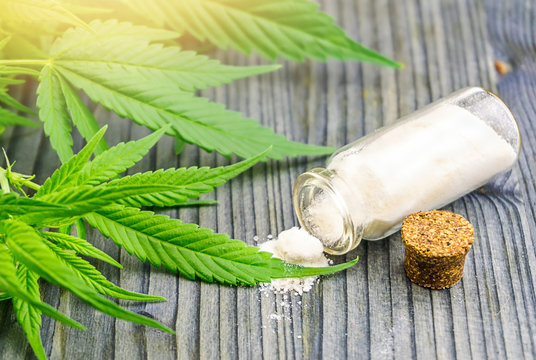
How CBD Isolate Is Made
The production of CBD Isolate involves multiple steps of extraction and purification:
- Initial Extraction Hemp plant material is extracted using CO₂ supercritical extraction, ethanol, or hydrocarbon methods to create a crude CBD-rich oil containing cannabinoids, terpenes, fats, and chlorophyll.
- Winterization & Filtration The crude extract is mixed with a solvent (often ethanol), frozen, and filtered to remove waxes, lipids, and plant matter.
- Decarboxylation (optional at this stage) Heating converts CBDA (acidic form) into active CBD.
- Chromatography / Distillation Advanced techniques (flash chromatography, high-performance liquid chromatography, or fractional distillation) separate CBD from other cannabinoids, terpenes, and impurities.
- Crystallization The purified CBD solution is cooled slowly or seeded with CBD crystals, causing pure CBD to crystallize out. The crystals are filtered, washed, and dried.
- Final Purification Additional recrystallization or vacuum drying yields 99–99.9% pure CBD isolate.
The result is a product with no detectable THC, even under sensitive lab testing (limit of detection often <0.01%).
Key Characteristics of CBD Isolate
- Appearance: White crystalline powder or small translucent shards
- Purity: 99%+ CBD
- THC Content: 0.0% (non-detectable)
- Flavor/Odor: Neutral (no hemp taste or smell)
- Solubility: Fat-soluble; dissolves well in oils, but poorly in water
- Shelf Life: Very stable when stored cool, dark, and dry (2+ years typical)
Potential Benefits of CBD Isolate
Because it is pure CBD, isolate delivers the core effects associated with cannabidiol without influence from other compounds:
- Anxiety & Stress Reduction — May modulate serotonin receptors (5-HT1A) for calming effects
- Sleep Support — Helps with falling asleep or improving sleep quality (especially anxiety-related insomnia)
- Anti-Inflammatory & Pain Relief — Interacts with TRPV1 and other pathways to reduce inflammation and discomfort
- Neuroprotective Properties — Early research suggests benefits for neurological conditions
- Seizure Reduction — Purified CBD (as in Epidiolex) is FDA-approved for certain epilepsy syndromes
- Skin Health — Used in topicals for localized anti-inflammatory effects
Important Note: Isolate lacks the “entourage effect” — the synergistic interaction between CBD, minor cannabinoids, and terpenes found in full-spectrum products. Some users report stronger or more complete relief from full/broad-spectrum products, while others prefer isolate for its predictability, neutrality, and zero-THC assurance.
Dosage Guidelines
No universal dose exists — personalize based on body weight, condition, and sensitivity:
- Beginner / Microdose — 5–15 mg per day
- Moderate — 20–50 mg per day
- Higher Needs — 50–150+ mg per day (split doses)
Common Methods:
- Mix powder into MCT/coconut oil or food (edible use)
- Dissolve in vape liquid (if using a compatible device)
- Add to topicals/creams for localized application
- Create custom tinctures by dissolving in carrier oil + flavoring
Start low, increase gradually every 3–7 days, and track effects. Consult a healthcare provider, especially if taking medications (CBD can affect CYP450 liver enzymes).
Side Effects & Safety
CBD Isolate is generally well-tolerated with a favorable safety profile:
Common mild side effects:
- Dry mouth
- Drowsiness or fatigue
- Appetite changes
- Mild digestive upset (especially high doses)
Rare concerns:
- Liver enzyme elevation (very high doses, seen in Epidiolex studies)
- Drug interactions (blood thinners, anti-seizure meds, etc.)
Because it contains zero THC, CBD isolate poses no risk of failing a standard drug test for THC metabolites.
Legality in 2026
United States Hemp-derived CBD isolate (<0.3% delta-9 THC by dry weight in source material) remains federally legal under the 2018 Farm Bill. 2025–2026 federal changes (e.g., <0.4 mg total THC per finished container) primarily affect intoxicating hemp products and edibles — pure CBD isolate (0.0% THC) is unaffected and widely available.
India (including Maharashtra/Nagpur) Hemp-derived CBD isolate with 0.0% THC (or below detectable limits) is permitted for wellness, cosmetic, and limited medical use if compliant:
- NDPS Act 1985 — Allows low-THC hemp derivatives; zero-THC isolate is safest
- FSSAI — Regulates as food supplement if properly labeled/certified
- AYUSH — Some formulations classified as Ayurvedic/herbal
- Maharashtra — Hemp cultivation/processing restricted (license required); finished zero-THC CBD products generally allowed via authorized channels
Buy only from sellers providing third-party lab reports (COA) showing:
- CBD potency 99%+
- THC = ND (not detected)
- No pesticides/heavy metals/solvents
Avoid any product labeled “full-spectrum” or “broad-spectrum” without verified zero-THC status, as trace THC can violate NDPS rules.
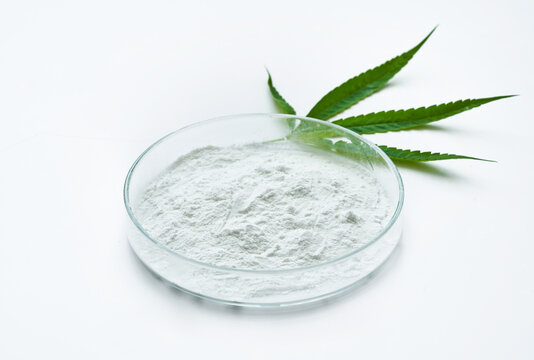
How to Use CBD Isolate
- Sublingual Tincture — Dissolve 100–1000 mg in 30 mL carrier oil (MCT, hemp seed) → use dropper
- Edibles — Mix into fat-based recipes (butter, chocolate, gummies)
- Vaping — Dissolve in vape juice base (use caution; not all isolates are vape-safe)
- Topicals — Blend into creams, balms, or lotions
- Capsules — Fill empty gelatin/vegan capsules with measured powder
Store in airtight container, cool/dark place.
How to Choose Quality CBD Isolate
Look for:
- Third-party lab testing (COA) showing ≥99% CBD & THC = ND
- Clear source (organic U.S./EU hemp preferred)
- No additives/fillers
- Certificate of Analysis dated within last 12 months
- Reputable vendors (transparent supply chain)
Conclusion
CBD isolate offers the most controlled, predictable, and THC-free way to experience cannabidiol’s potential benefits. Its neutral taste, high purity, and zero-THC status make it especially suitable for drug-tested individuals, children (under medical supervision), or anyone in strict regulatory environments like India (Nagpur/Maharashtra). While it lacks the full entourage effect of whole-plant extracts, many users prefer its simplicity and reliability. Always start low, use quality-tested products, and consult a healthcare professional for personalized guidance — particularly if combining with medications or addressing specific health concerns. In 2026, CBD isolate continues to be a cornerstone of clean, compliant cannabinoid wellness.
More articles by ZMR Researche:
https://www.zionmarketresearch.com/de/report/refurbished-running-shoes-market
https://www.zionmarketresearch.com/de/report/one-wheel-electric-scooter-market
https://www.zionmarketresearch.com/de/report/industrial-adhesives-market
https://www.zionmarketresearch.com/de/report/sulphur-bentonite-market