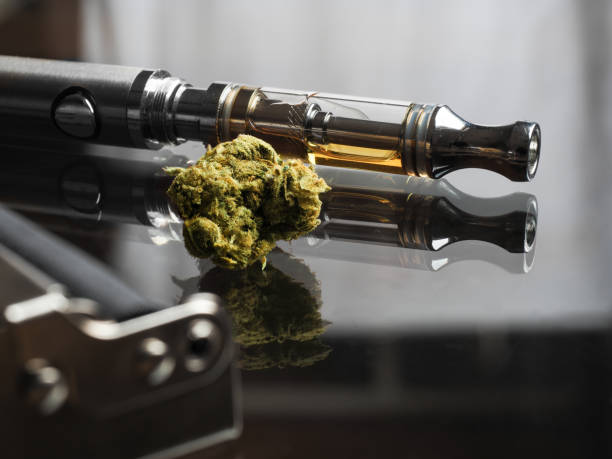
Cannabis Vape Pen is a portable, battery-powered device designed to vaporize cannabis concentrates or oils for inhalation, delivering cannabinoids like THC and CBD in aerosol form. Also known as weed pens, THC pens, or oil vaporizers, these devices consist of a battery, heating element (atomizer or cartridge), and mouthpiece, offering discreet, convenient consumption compared to smoking flower or using larger desktop vaporizers.
Vape pens emerged in the early 2000s with e-cigarette technology but adapted for cannabis in the 2010s amid medical and recreational legalization. The 2019-2020 EVALI (e-cigarette or vaping-associated lung injury) outbreak—linked to illicit vitamin E acetate in black-market THC carts—raised safety concerns, prompting stricter regulations. As of 2025, the cannabis vape market exceeds USD 10-15 billion globally, representing 25-35% of cannabis sales in mature markets (California, Colorado, Canada). Popular for potency, flavor variety, and portability, vape pens appeal to medical patients (precise dosing) and recreational users (odorless, fast onset).
Legal products use lab-tested extracts; illicit carts remain a risk.
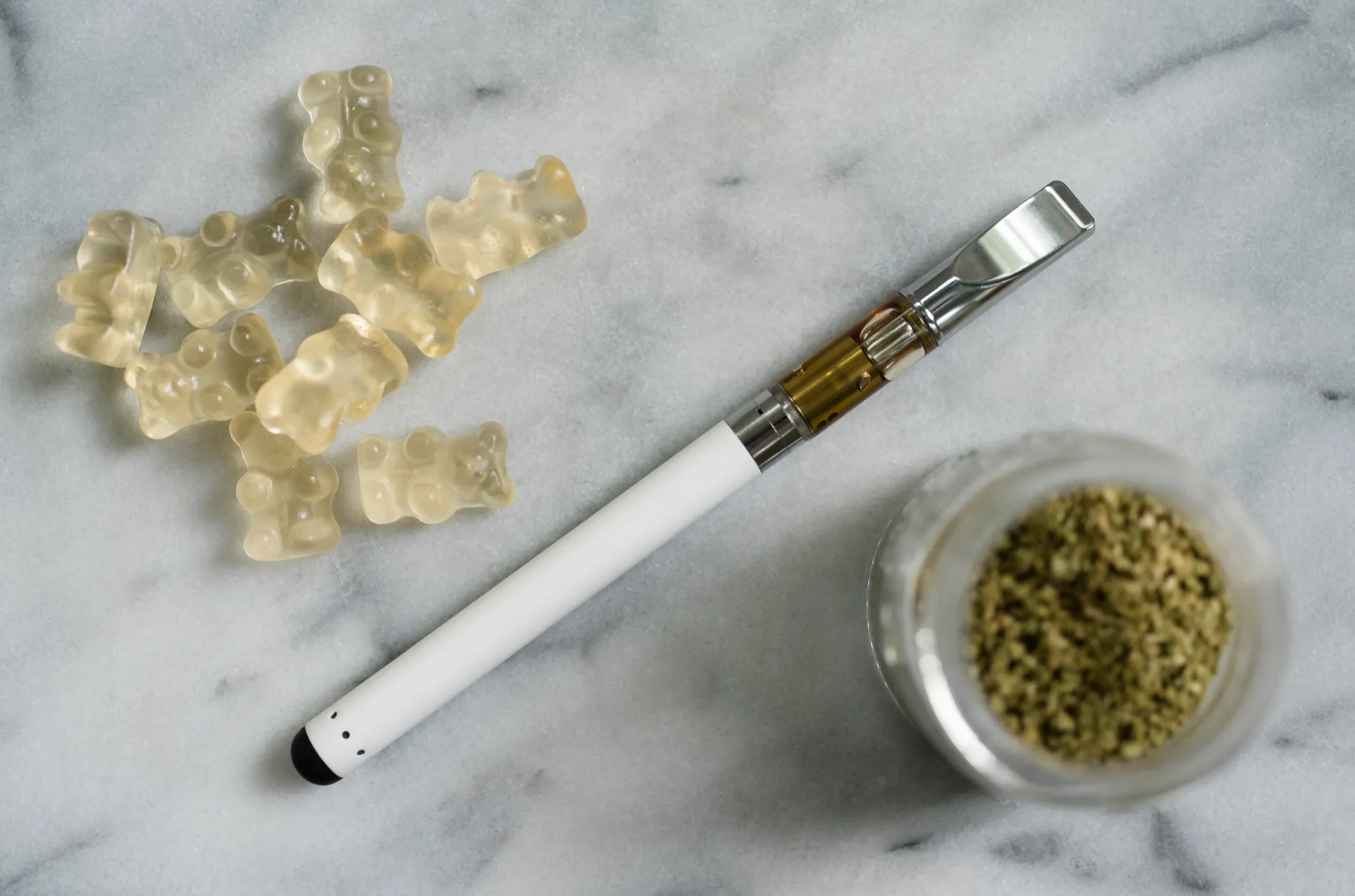
Types of Cannabis Vape Pens
Vape pens vary by design, compatibility, and concentrate type:
- Disposable Vape Pens All-in-one (battery + pre-filled cartridge); no charging/refilling.
- Convenient for beginners/travel.
- 300-800 puffs; 0.5-1g oil.
- Reusable/Refillable Vape Pens Rechargeable battery with replaceable cartridges or tank.
- 510-thread standard (universal compatibility).
- Pod Systems Proprietary magnetic pods (e.g., Pax Era, Stiiizy); tamper-resistant.
- Variable Voltage/Temperature Pens Adjustable settings for flavor/potency control.
- Dry Herb Vaporizers (technically not “oil” pens but related) Heat flower without combustion.
Concentrates:
- Distillate: High-potency (80-95% THC), clear, flavorless base + terpenes.
- Live Resin/Rosin: Terpene-rich, full-spectrum.
- CO₂ Oil: Clean extraction.
- Full-Spectrum: Retains minor cannabinoids.
CBD-only pens common in non-legal markets.
Components and How They Work
Standard vape pen anatomy:
- Battery: Lithium-ion; 280-650 mAh; button or draw-activated.
- Cartridge/Tank: Glass/plastic reservoir with wick and coil.
- Heating Element: Ceramic or quartz coil; 300-450°C vaporization.
- Mouthpiece: Draw point.
Operation:
- Activate (button or inhale).
- Battery heats coil.
- Oil wicks to coil, vaporizes.
- Inhale aerosol.
Variable voltage: Low (flavor), high (vapor/potency).
Effects and Consumption Experience
Vaping delivers rapid onset (1-5 minutes) via lungs:
- Bioavailability: 30-60% (vs. 10-30% edibles).
- Duration: 1-3 hours.
- Effects: Clean, potent; customizable (sativa uplifting, indica relaxing).
Advantages:
- Discreet (minimal odor).
- Precise dosing (puff control).
- Lung-friendly vs. combustion (no tar).
Risks: Dry hits, throat irritation; overconsumption possible.
Benefits and Uses
- Medical: Pain, anxiety, nausea, epilepsy (CBD), spasticity.
- Recreational: Social, portable.
- Wellness: Microdosing, flavor exploration.
Terpene blends enhance effects (myrcene sedating, limonene energizing).
Safety Considerations
Post-EVALI:
- Buy regulated, lab-tested products.
- Avoid vitamin E acetate, MCT oil, thickeners.
- Reputable brands: COAs for potency, contaminants.
Potential risks:
- Heavy metals (coil leaching).
- Lung irritation (propylene glycol).
- Battery safety (overcharge/explosion rare).
Vaping generally safer than smoking (no combustion toxins).
Market and Popular Products
Leading brands:
- Pax: Premium pod systems.
- Stiiizy: Flavor-focused disposables.
- Select, Rove: Cartridge variety.
- G Pen, Vessel: Stylish batteries.
Trends:
- Live resin/rosin (flavor).
- Nano-emulsified (faster onset).
- Low-dose (2-5 mg/puff).
- Sustainable (recyclable).
Legal Status
Varies:
- Legal recreational: Canada, parts U.S., Uruguay.
- Medical only: Many countries.
- Restricted: Much of Asia, Middle East.
Age 21+ in legal markets; lab testing mandatory.
Environmental Impact
Disposable pens contribute e-waste; rechargeable better. Recycling programs emerging.
Conclusion
Cannabis vape pens offer convenient, potent, discreet delivery, revolutionizing consumption since legalization. Advances in extracts (live resin, terpenes) and hardware (temperature control) enhance experience while regulations improve safety post-EVALI. For medical or recreational use, quality sourcing and moderation ensure benefits—rapid relief, flavor variety—without risks. As technology refines (nano, sustainable), vape pens remain a dominant format in modern cannabis culture.
More articles by ZMR Researche:
https://www.zionmarketresearch.com/de/report/neopentyl-glycol-npg-market
https://www.zionmarketresearch.com/de/report/food-minerals-market
https://www.zionmarketresearch.com/de/report/optical-lens-for-infrared-device-market
https://www.zionmarketresearch.com/de/report/communications-service-providers-csp-market
https://www.zionmarketresearch.com/de/report/animal-radio-collar-market