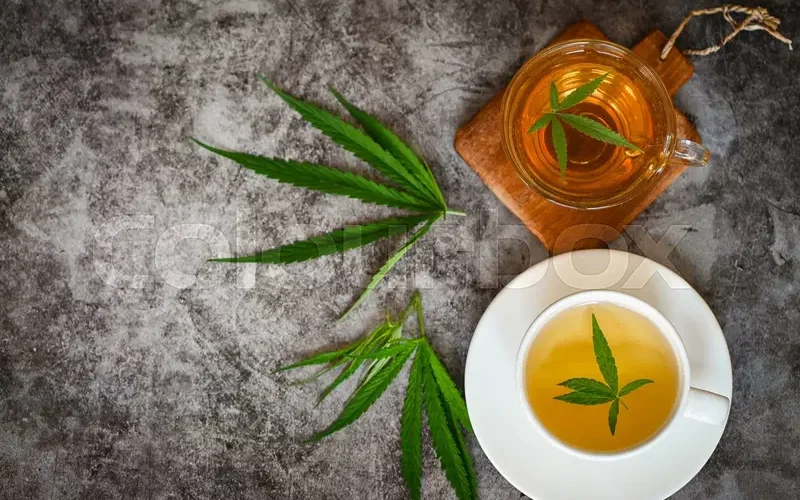
Cannabis Tea, also known as marijuana tea, weed tea, or herbal cannabis infusion, is a beverage prepared by steeping cannabis plant material—typically flowers (buds), leaves, or stems—in hot water, often with added fats like milk, butter, or coconut oil to enhance cannabinoid extraction. This method dates back thousands of years, with references in ancient Chinese pharmacopeias (circa 2700 BCE) and Indian Ayurvedic texts where it was called “bhang.” Unlike smoking or vaping, cannabis tea provides a slower-onset, longer-lasting experience due to digestive metabolism, converting delta-9-THC into the more potent 11-hydroxy-THC.
In modern contexts, cannabis tea appeals to those seeking a smoke-free, discreet consumption method for recreational relaxation or medical symptom relief (pain, anxiety, insomnia, nausea). As of 2025, with expanding legalization, cannabis-infused teas represent a growing niche in the USD 10+ billion edibles and beverages market, often marketed as wellness blends with CBD-dominant or balanced THC:CBD ratios. Commercial products range from pre-packaged tea bags to loose-leaf blends, while home preparation remains popular in legal jurisdictions.
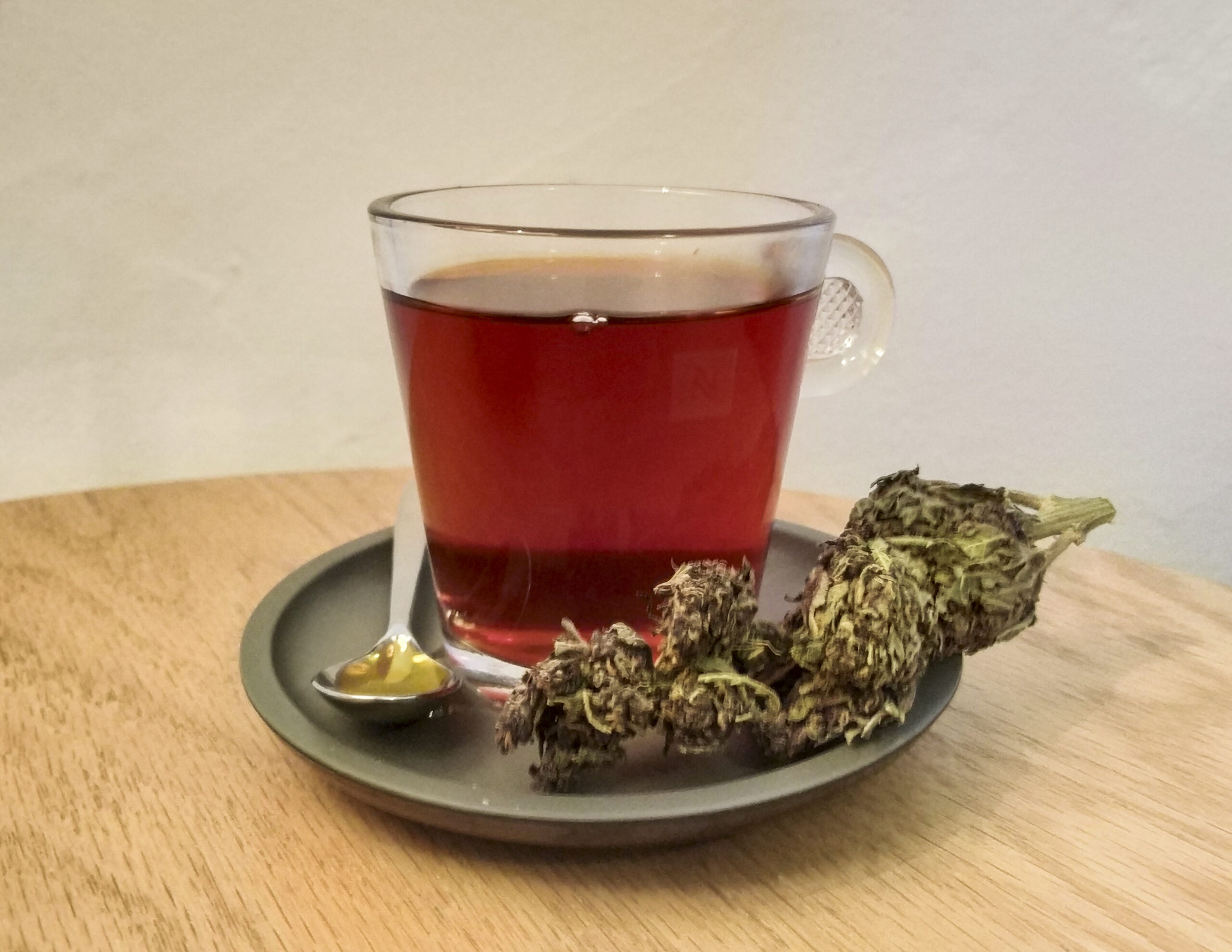
History and Cultural Significance
Cannabis Tea has deep cultural roots:
- Ancient China: Emperor Shen Nung’s Pen Ts’ao Ching (2737 BCE) prescribed cannabis infusions for rheumatism and malaria.
- India: Bhang, a milk-based cannabis tea, is consumed during Holi and Shivratri festivals; referenced in Atharvaveda.
- Jamaica and Africa: Ganja tea for medicinal and spiritual use.
- Victorian Era: Queen’s physician prescribed cannabis tinctures (water-soluble precursors to tea).
- 20th Century: Prohibition limited use, but resurgence in 1960s counterculture and 1990s medical cannabis movement.
Today, cannabis tea symbolizes wellness in legal markets, with brands blending it with herbs like chamomile or peppermint.
Preparation Methods
Effective cannabis tea requires decarboxylation and fat solubilization:
- Decarboxylation Raw cannabis contains THCA/CBDA (non-psychoactive). Bake ground flower at 110-120°C for 30-45 minutes to activate THC/CBD.
- Infusion Techniques
- Basic Water Steep: Decarbed cannabis in hot water (80-100°C) for 30-90 minutes; low potency without fat.
- Fat-Enhanced: Add milk, butter, or oil; simmer gently (avoid boiling to preserve cannabinoids).
- Tea Bag/Commercial: Pre-decarbed blends in bags; steep 5-10 minutes.
- Cold Brew: Longer steeping (12-24 hours) in fridge for milder taste.
- Straining and Flavoring Strain plant material; add honey, lemon, spices.
Dosage: Start with 5-10 mg THC (1-2 grams flower at 1% THC); effects vary by tolerance.
Chemical Composition and Effects
Key compounds:
- Cannabinoids: THC (psychoactive), CBD (therapeutic), traces of CBG, CBN.
- Terpenes: Myrcene (sedating), limonene (uplifting), pinene (focus).
- Flavonoids: Antioxidants.
Pharmacokinetics:
- Onset: 30-90 minutes.
- Peak: 2-3 hours.
- Duration: 4-8 hours.
Effects: Body-focused relaxation, euphoria, pain relief; less cerebral than smoking. CBD teas promote calm without high.
Health Benefits and Therapeutic Uses
Potential benefits (evidence varies):
- Pain/inflammation (arthritis, migraines).
- Anxiety/stress reduction.
- Sleep aid (indica strains or CBN).
- Nausea/appetite stimulation (chemotherapy).
- Digestive support (anti-spasmodic).
Small studies support CBD tea for anxiety; THC for chronic pain. Generally safe, but consult physicians.
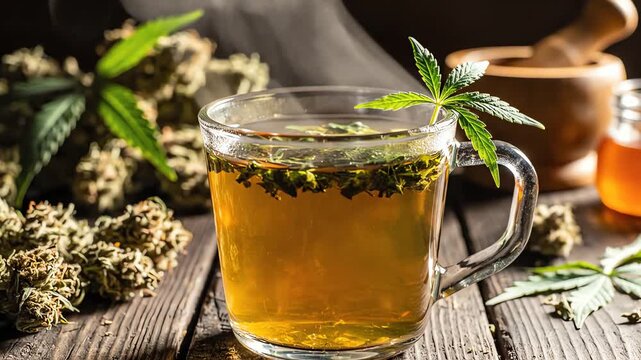
Risks and Safety Considerations
- Delayed onset risks overconsumption.
- Variable potency in homemade.
- Interactions with medications (CYP450).
- Not for driving/operating machinery.
- Pregnancy/breastfeeding contraindication.
Legal: Aligns with cannabis laws; THC content regulated.
Varieties and Commercial Products
- THC Teas: Recreational/medical potency.
- CBD Teas: Wellness-focused, hemp-derived.
- Blends: With chamomile, peppermint, ginger.
- Instant/RTD: Bottled for convenience.
Brands: Kikoko (wellness teas), House of Saka (luxury), or DIY kits.
Conclusion
Cannabis tea offers a gentle, traditional entry to cannabis consumption, blending herbal ritual with modern therapeutic potential. Its customizable nature, smoke-free delivery, and prolonged effects appeal to diverse users. As legalization expands and formulations refine (nano-emulsions for faster onset), cannabis tea will likely grow in popularity for wellness and recreation. Responsible preparation, dosing, and sourcing ensure safe enjoyment of this ancient brew in contemporary contexts.
More articles by ZMR Researche:
https://www.zionmarketresearch.com/de/report/b2b-cross-border-payments-market
https://www.zionmarketresearch.com/de/report/molded-fiber-pulp-packaging-market
https://www.zionmarketresearch.com/de/report/lighted-mirror-medicine-cabinets-market
https://www.zionmarketresearch.com/de/report/electric-motorcycle-and-scooter-market
https://www.zionmarketresearch.com/de/report/custom-software-development-services-market