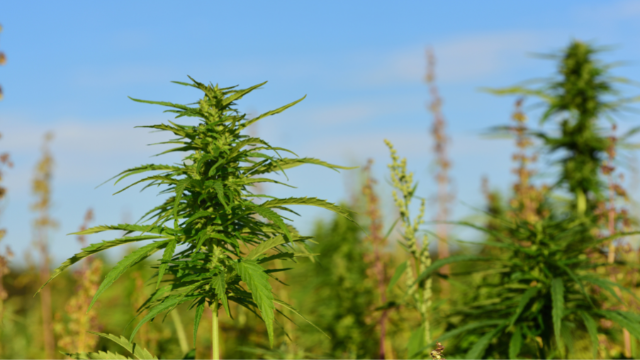
Cannabis sativa is a versatile annual herbaceous plant in the Cannabaceae family, renowned for its historical, industrial, medicinal, and recreational significance. Native to Central and South Asia, it has been cultivated for over 10,000 years for fiber, seeds, oil, and psychoactive properties.
The species encompasses both hemp (low-THC varieties for industrial use) and marijuana (higher-THC varieties). As of 2025, global legalization trends have expanded its applications, with the cannabis market valued at over USD 50 billion, driven by medical research and sustainable materials. C. sativa is distinct from C. indica (shorter, bushier) and C. ruderalis (auto-flowering), though hybrids dominate modern cultivation.
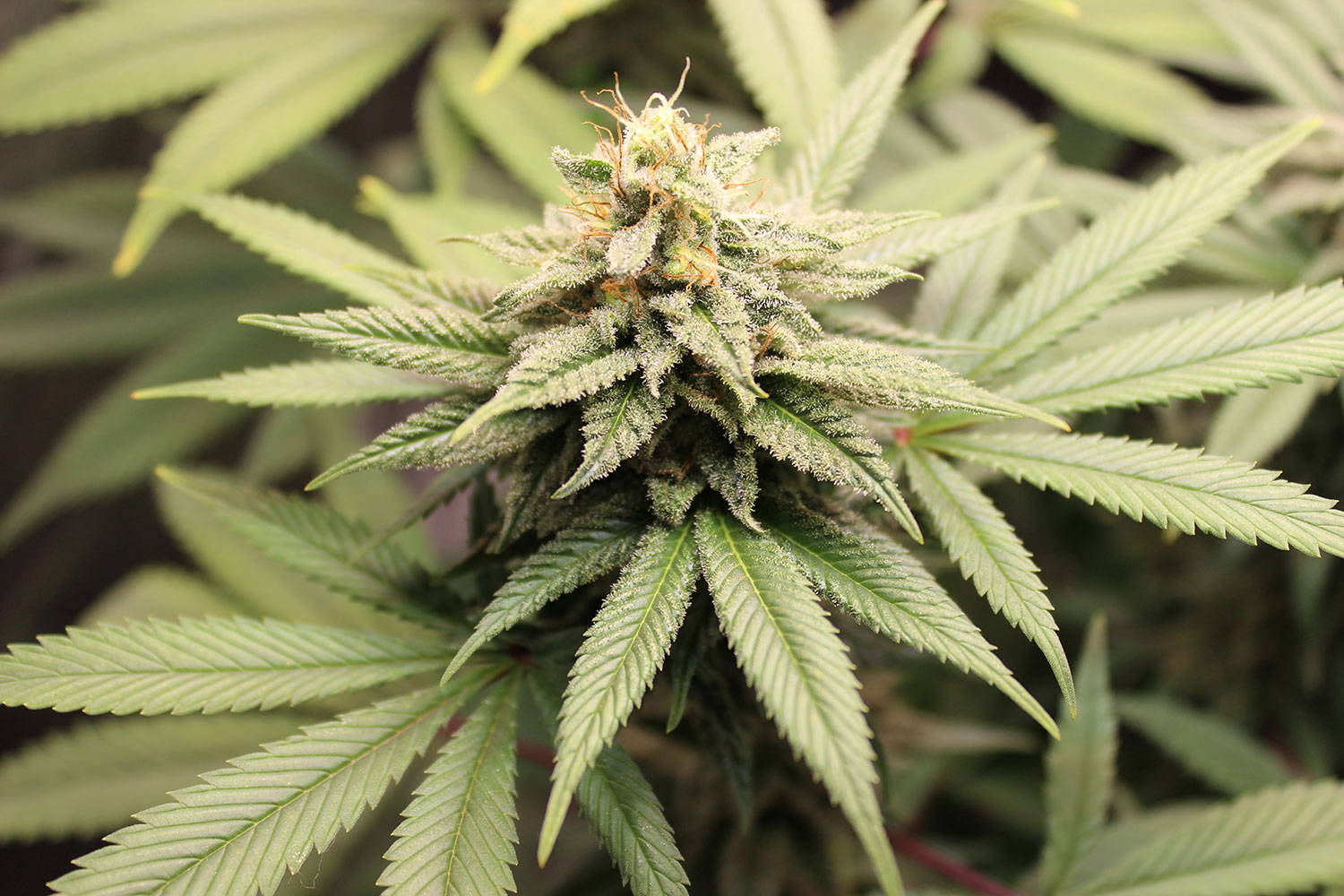
Botany and Morphology
C. sativa is dioecious (separate male and female plants), though monoecious varieties exist. It grows tall (up to 5-6 meters) with slender, palmate leaves featuring 5-13 serrated leaflets. Stems are fibrous and hollow; roots tap deep. Female plants produce resinous flower buds rich in cannabinoids.
Chemical Composition
C. sativa contains over 500 compounds, including 100+ cannabinoids. Primary ones:
- Δ9-Tetrahydrocannabinol (THC): Psychoactive, responsible for euphoria.
- Cannabidiol (CBD): Non-psychoactive, with therapeutic potential.
Others include CBG, CBN, terpenes (e.g., myrcene, limonene for aroma), and flavonoids. Hemp varieties contain <0.3% THC (legal threshold in many countries).
History and Cultural Significance
Evidence of use dates to 8000 BCE in Asia for fiber. Ancient China (2700 BCE) used it medicinally; Scythians (500 BCE) for rituals. Introduced to the West via trade; popularized in medicine (19th century tinctures) until prohibition (1930s-1970s due to misinformation and politics). Modern resurgence began with 1990s medical legalization (California Proposition 215).
Cultivation and Varieties
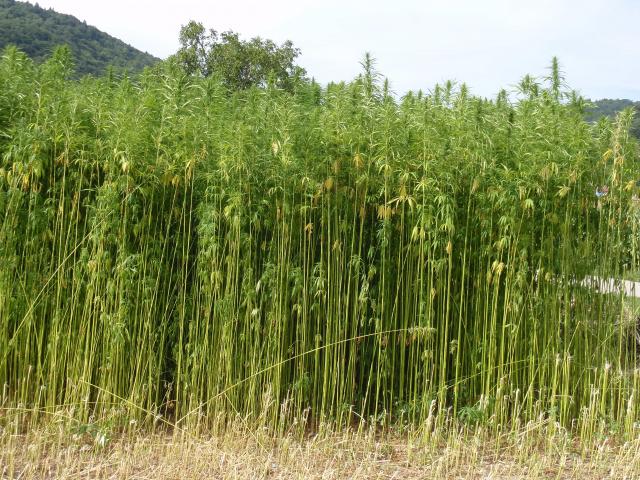
Grown indoors/outdoors; photoperiod-dependent (flowers under 12/12 light cycle). Industrial hemp is densely planted for fiber/seeds.
Uses and Applications
- Industrial Hemp: Fiber for textiles, paper, bioplastics; seeds for food/oil (rich in omega-3/6); hurds for construction (hempcrete).
- Medicinal: CBD for epilepsy (Epidiolex FDA-approved), pain, anxiety; THC for nausea, appetite in cancer/AIDS.
- Recreational: Smoking/vaping/edibles for relaxation/euphoria.
- Other: Animal feed, biofuels, cosmetics.
Health Benefits and Risks
Potential benefits: Anti-inflammatory, neuroprotective, anti-seizure, analgesic. Risks: Psychoactive effects (anxiety, impairment), dependency, lung issues from smoking, interactions. Long-term studies ongoing.
Legal Status (as of 2025)
Hemp federally legal in U.S. (2018 Farm Bill); recreational cannabis legal in 24+ states. Globally varied: Fully legal in Canada/Uruguay; medical in many EU countries; prohibited in parts of Asia.
Environmental Impact
Sustainable crop: Low water/pesticide needs, soil remediation (phytoremediation), carbon sequestration. Industrial hemp promotes eco-friendly alternatives to cotton/plastics.
Conclusion
Cannabis sativa exemplifies a plant with profound historical depth and modern versatility, bridging ancient traditions with cutting-edge science. As research and regulations evolve, its role in medicine, industry, and sustainability continues to expand.
More articles by ZMR Researche:
https://www.zionmarketresearch.com/de/report/agave-nectar-market
https://www.zionmarketresearch.com/de/report/foliar-fertilizer-market
https://www.zionmarketresearch.com/de/report/electric-and-diesel-tractor-market
https://www.zionmarketresearch.com/de/report/primary-macronutrients-market
https://www.zionmarketresearch.com/de/report/badminton-equipment-and-facilities-market