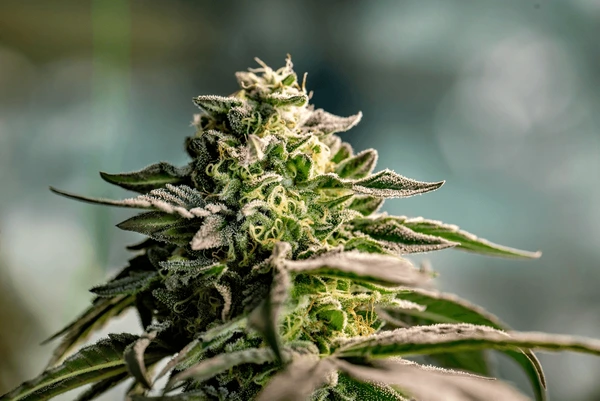
Cannabis flower, commonly referred to as “bud,” “nug,” or “weed,” is the dried and cured flowering tops of the female Cannabis sativa or Cannabis indica plant (and hybrids). It is the most traditional and widely consumed form of cannabis, prized for its rich concentration of cannabinoids, terpenes, and flavonoids that deliver therapeutic and recreational effects. Unlike extracts or edibles, flower retains the plant’s full spectrum of compounds (the “entourage effect”), offering nuanced flavors, aromas, and experiences.
In 2025, cannabis flower remains the dominant product in legal markets, accounting for over 50% of sales in mature regions like the U.S. and Canada. High-quality flower is judged by density, trichome coverage, aroma, and cannabinoid profile, with premium strains commanding high prices.
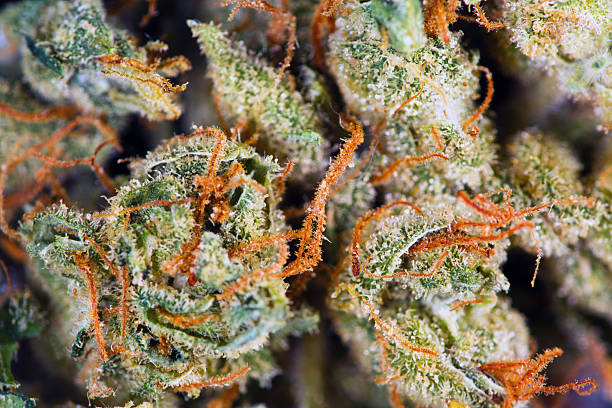
Anatomy of the Cannabis Flower
The cannabis “flower” is technically a cluster of inflorescences on female plants. Key structures include:
- Calyx: The tear-shaped base enclosing the ovule; most resinous part.
- Pistils/Stigmas: Hair-like structures (orange, red, or white) that catch pollen; turn brown as maturity approaches.
- Trichomes: Glandular hairs producing cannabinoids and terpenes; appear as frosty crystals.
- Sugar Leaves: Small leaves protruding from buds, coated in trichomes.
- Bracts: Protective leaves surrounding the calyx.
Flowering Stage in Cultivation
Cannabis plants enter the flowering phase when exposed to 12 hours of uninterrupted darkness daily (photoperiod strains) or after a set vegetative period (autoflowering). This stage lasts 8-12 weeks, during which female plants develop dense buds.
Harvesting occurs when trichomes shift from clear to milky/cloudy (peak THC) or amber (more CBN for sedation).
Harvesting, Drying, and Curing
Post-harvest, buds are trimmed, dried slowly (45-55% humidity, 60-70°F), and cured in jars for weeks to enhance flavor, smoothness, and potency.
Consumption Methods
- Smoking: Joints, pipes, bongs—fast onset.
- Vaporizing: Healthier alternative, preserves terpenes.
- Edibles/Infusions: Decarboxylated flower for cooking.
Quality Indicators
Premium flower features vibrant colors, sticky trichomes, strong aroma, and proper moisture—no seeds or harsh burn.
Effects and Profiles
Vary by strain: Sativa-dominant for energizing, indica for relaxing, hybrids for balance. Terpenes influence aroma (e.g., limonene: citrusy, uplifting; myrcene: earthy, sedative).
Legal and Market Context
In legal markets, flower is lab-tested for potency, contaminants, and terpenes. Organic and craft-grown options emphasize sustainability.
Conclusion
Cannabis flower remains the gold standard for experiencing the plant’s full complexity. From cultivation to consumption, its allure lies in natural synergy of compounds, offering diverse effects for recreation, wellness, and therapy. As legalization expands, quality and innovation in flower continue to thrive.
More articles by ZMR Researche:
https://www.zionmarketresearch.com/de/report/epoxy-composite-market
https://www.zionmarketresearch.com/de/report/packaged-food-essence-ingredient-market
https://www.zionmarketresearch.com/de/report/fashion-event-market
https://www.zionmarketresearch.com/de/report/secondary-macronutrients-market
https://www.zionmarketresearch.com/de/report/refurbished-smart-watches-market