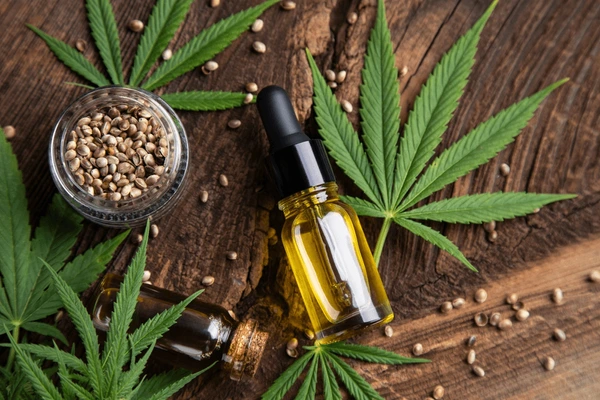
Cannabis Extract refers to concentrated preparations derived from the cannabis plant (Cannabis sativa or Cannabis indica) that isolate and enrich cannabinoids, terpenes, and other bioactive compounds. These extracts separate desirable components like tetrahydrocannabinol (THC), cannabidiol (CBD), and minor cannabinoids from plant material, resulting in potent products used for medical, recreational, and industrial purposes.
Extraction techniques have evolved from ancient solvent-based methods (e.g., alcohol tinctures in 19th-century medicine) to sophisticated modern processes using CO₂, hydrocarbons, or ethanol. The rise of legal cannabis markets since the 2010s has fueled explosive growth, with extracts dominating high-potency segments. As of 2025, the global cannabis extract market is valued at over USD 15-20 billion, comprising distillates, isolates, full-spectrum oils, and processed forms like shatter or wax. Extracts enable precise dosing, discreet consumption, and versatile applications in edibles, vapes, topicals, and pharmaceuticals.
Types of Cannabis Extracts
Extracts vary by processing, purity, and cannabinoid profile:
- Crude Extract Initial solvent-based pull; dark, viscous, containing fats, waxes, lipids, and full plant compounds.
- Distillate Highly refined, clear oil (80-95% cannabinoid purity); often THC or CBD dominant. Short-path or wiped-film distillation removes impurities.
- Isolate Pure crystalline cannabinoid (>99% purity), typically CBD or THC. Used for precise formulations without entourage effects.
- Full-Spectrum Extract Retains cannabinoids, terpenes, flavonoids; maximizes therapeutic synergy (“entourage effect”).
- Broad-Spectrum Extract Full-spectrum minus THC; appeals to non-psychoactive users.
- Live Resin/Rosin Fresh-frozen plant material preserves terpenes; resin via hydrocarbon extraction, rosin via heat/pressure (solventless).
- Shatter, Wax, Budder, Crumble Texture variants from BHO (butane hash oil) purging differences; high THC (70-90%).
- Hash/Kief Traditional mechanical separation of trichomes; precursor to many extracts.
Extraction Methods
Common techniques balance efficiency, safety, purity, and cost:
- Hydrocarbon Extraction (Butane/Propane) Fast, high-yield; produces shatter, wax. Requires closed-loop systems and purging to remove residuals.
- CO₂ Supercritical Extraction Clean, tunable (pressure/temperature adjust selectivity); preferred for food-grade/pharma. No solvent residue.
- Ethanol Extraction Food-safe, scalable; effective for full-spectrum but may pull chlorophyll (winterization removes).
- Solventless Methods
- Rosin press: Heat/pressure on flower or hash.
- Ice water hash (bubble hash): Agitation and filtration.
- Advanced/Post-Processing
- Winterization: Ethanol/chilling removes lipids/waxes.
- Decarboxylation: Heat activates THC/CBD.
- Distillation/Chromatography: For isolates or terpene recovery.
Commercial labs follow GMP standards with third-party testing for potency, residuals, and contaminants.
Chemical Composition
Extracts concentrate:
- Cannabinoids: THC (psychoactive), CBD (therapeutic), CBG, CBN, CBC.
- Terpenes: Myrcene (sedating), limonene (uplifting), pinene (anti-inflammatory).
- Flavonoids: Antioxidants contributing color/flavor.
Potency ranges 50-99%; full-spectrum retains 1-5% terpenes for flavor and synergy.
Applications and Uses
- Vaping/Dabbing: High-potency concentrates.
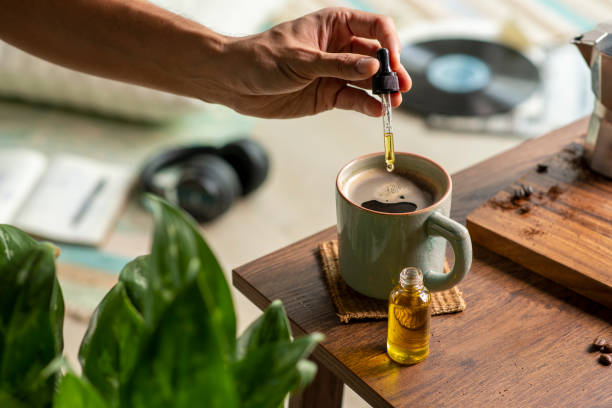
- Edibles/Tinctures: Distillate or oil base.
- Topicals: CBD isolates for localized relief.
- Pharmaceuticals: Pure isolates (Epidiolex – CBD).
- Beverages/Capsules: Nano-emulsified for bioavailability.
Medical uses: Pain, epilepsy, anxiety, nausea, inflammation.
Benefits and Advantages
- Precise, high dosing.
- Rapid onset (vaping) or long duration (edibles).
- Discreet, smoke-free.
- Customizable ratios (THC:CBD).
Risks and Safety Considerations
- High potency increases overconsumption risk.
- Residual solvents in poorly made extracts.
- Lung injury from contaminants (e.g., vitamin E acetate in illicit vapes).
- Psychoactive intensity (THC extracts).
- Variable regulation; lab testing essential.
Market and Trends
Leading producers: Canada/U.S. licensed facilities. Trends:
- Solventless growth for purity.
- Terpene-rich live extracts.
- Nano-emulsions for water-soluble products.
- Minor cannabinoid focus (CBG, CBN).
Conclusion
Cannabis extracts represent the concentrated essence of the plant, offering potency, versatility, and therapeutic potential unmatched by flower alone. Advances in extraction and refinement continue to improve safety, consistency, and consumer options, solidifying extracts as a cornerstone of modern cannabis consumption. Responsible sourcing, testing, and dosing remain key to maximizing benefits while minimizing risks.
More articles by ZMR Researche:
https://www.zionmarketresearch.com/de/report/wide-body-aircraft-mro-market
https://www.zionmarketresearch.com/de/report/freight-transport-market
https://www.zionmarketresearch.com/de/report/intraoperative-neuromonitoring-market
https://www.zionmarketresearch.com/de/report/fishing-rod-market
https://www.zionmarketresearch.com/de/report/car-t-cell-therapy-market