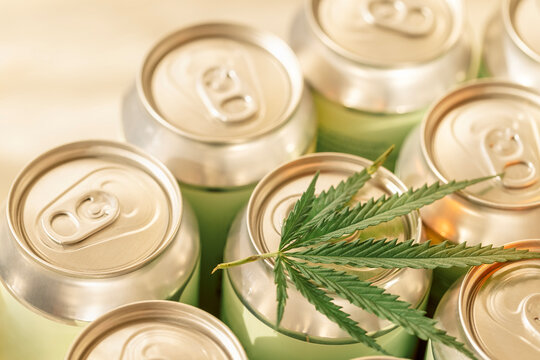
Cannabis Energy Drinks are beverages that combine traditional energy drink ingredients—such as caffeine, taurine, B-vitamins, and natural stimulants—with cannabis-derived cannabinoids, primarily THC (tetrahydrocannabinol) or CBD (cannabidiol). These drinks aim to provide an energizing boost alongside the relaxing, mood-enhancing, or euphoric effects of cannabis, offering a unique alternative to conventional energy drinks like Red Bull or Monster.
The category emerged in the 2010s with cannabis legalization, blending the stimulating effects of caffeine with cannabis’s psychoactive or therapeutic properties. THC versions deliver a balanced “high” with focus and uplift, while CBD-focused drinks emphasize calm energy without intoxication. As of 2025, cannabis energy drinks form a niche but rapidly growing segment within the broader cannabis-infused beverage market (valued at USD 10-15 billion globally), appealing to consumers seeking functional, social, or wellness-oriented alternatives to alcohol or traditional stimulants. Popular in legal markets (U.S. states like California, Colorado; Canada), they typically contain 5-100 mg THC/CBD per serving, often with 50-150 mg caffeine.
History and Development
Cannabis has been infused into beverages for millennia (e.g., Indian bhang with spices), but modern energy-style drinks trace to the post-legalization era:
- Early 2010s: Initial THC sodas/seltzers.
- Mid-2010s: Brands like Keef introduced caffeinated THC lines (e.g., High Octane).
- Late 2010s: CBD boom enabled nationwide U.S. sales (hemp-derived <0.3% Delta-9 THC).
- 2020s: Nano-emulsification for faster onset (15-30 minutes); hybrid THC-caffeine products proliferated.
Post-EVALI (2019 vaping crisis), beverages gained favor as safer, lung-friendly options.
Types of Cannabis Energy Drinks
- THC-Infused (Psychoactive)
- 5-100 mg THC + 50-150 mg caffeine.
- Effects: Energizing euphoria, focus without jitters.
- Examples: Keef High Octane (100 mg THC + caffeine), Wobble (10 mg THC + 100 mg caffeine), Sip Elixirs Energy (10-100 mg THC + 150 mg caffeine).
- CBD-Dominant (Non-Psychoactive)
- 25-100 mg CBD + caffeine.
- Effects: Calm focus, reduced anxiety.
- Examples: Kill Cliff CBD (25 mg CBD, caffeine-free variants), Zentopia Boost (50 mg CBD + caffeine).
- Hybrid THC/CBD
- Balanced for uplift + relaxation.
- Formats
- Carbonated sodas/seltzers.
- Non-carbonated shots/mixes.
- Flavors: Citrus, berry, tropical, cola.
Nano-emulsified for rapid absorption; some include adaptogens (guarana, ashwagandha).
Key Ingredients
- Cannabinoids: Nano-emulsified THC/CBD distillate.
- Stimulants: Caffeine (green tea, guarana), taurine, B-vitamins.
- Sweeteners/Flavors: Natural fruit, stevia, sugar.
- Other: Electrolytes, herbs for functional boost.
Low-calorie/sugar-free options common.
Effects and Onset
- Onset: 15-60 minutes (nano faster than traditional edibles).
- Duration: 2-6 hours.
- Experience: Caffeine energy + cannabis mood lift/relaxation; reduced jitters/anxiety vs. caffeine alone.
THC doses: Micro (2-5 mg) to strong (50-100 mg).
Popular Brands and Products
- Keef High Octane: Citrus THC + caffeine classic.
- Wobble (Crescent Canna): Strawberry-pineapple energy with Big Freedia collab.
- Sip Elixirs: High-dose (up to 100 mg THC) flavors.
- Vibations High + Energy: Guarana caffeine + full-spectrum.
- Upward (Onward): Variety energy line.
- Kill Cliff CBD: Clean energy focus (caffeine variants).
Emerging: Functional blends with adaptogens/mushrooms.
Market and Trends
- THC drinks: Legal states only; fast-acting nano dominant.
- CBD: Nationwide (hemp); wellness positioning.
- Growth: Hybrid caffeine-cannabis for “balanced buzz.”
- Challenges: Dosing consistency, regulation.
Sales concentrated in dispensaries/convenience.
Safety and Considerations
- Start low (5-10 mg THC).
- Avoid driving/mixing alcohol.
- Potential: Increased heart rate (caffeine + THC).
- Quality: Lab-tested for potency/contaminants.
Conclusion
Cannabis energy drinks blend stimulation with cannabis effects, offering energized euphoria or calm focus in convenient formats. THC versions provide uplifting highs in legal markets; CBD appeals broadly for jitter-free energy. Innovations in nano-emulsification and flavors enhance experience while regulations ensure safety. For wellness or recreation, these drinks represent evolving functional beverages—consume responsibly, starting low to gauge effects.
More articles by ZMR Researche:
https://www.zionmarketresearch.com/de/report/chambered-doctor-blade-systems-market
https://www.zionmarketresearch.com/de/report/femoral-canal-brush-market
https://www.zionmarketresearch.com/de/report/idi-contact-technology-market
https://www.zionmarketresearch.com/de/report/oil-mist-separator-market
https://www.zionmarketresearch.com/de/report/cross-traffic-alert-market