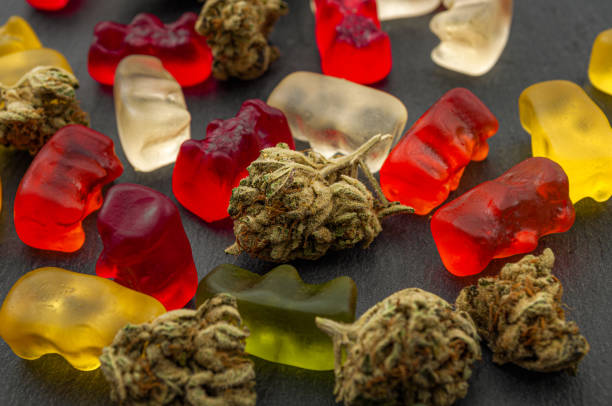
Cannabis Edibles are food or beverage products infused with cannabinoids, primarily tetrahydrocannabinol (THC) and cannabidiol (CBD), derived from the cannabis plant. Unlike inhalation methods (smoking or vaping), edibles provide a smoke-free alternative with prolonged, often more intense effects due to hepatic metabolism converting THC into the potent metabolite 11-hydroxy-THC.
Edibles have ancient roots—cannabis-infused foods appear in Indian texts (bhang) from 1000 BCE and medieval Arabic cookbooks—but modern commercial edibles surged with medical cannabis legalization in the 1990s and recreational markets post-2010s. As of 2025, edibles represent 15-25% of legal cannabis sales globally (higher in mature markets like Canada and certain U.S. states), valued at billions within the USD 50+ billion cannabis industry. Popular forms include gummies, chocolates, baked goods, beverages, and capsules, offering discreet, precise dosing for medical and recreational users.

Types of Cannabis Edibles
Edibles vary by format, cannabinoid profile, and onset:
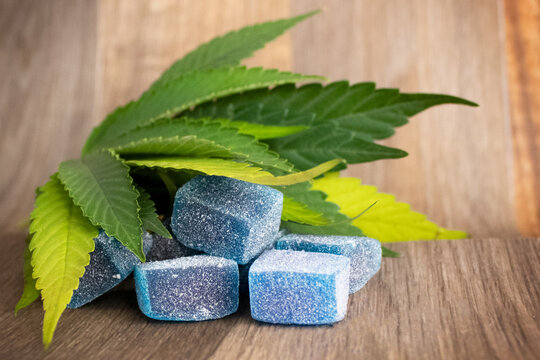
- Gummies and Candies Dominant category (50-60% of edible sales); chewy, flavored, easy to dose. Often 5-10 mg THC per piece.
- Chocolates and Confectionery Bars, truffles, or bites; fat content enhances absorption.
- Baked Goods Brownies, cookies, muffins—classic but less precise due to uneven distribution.
- Beverages Infused teas, sodas, tonics, or shots; faster onset (30-90 minutes) due to liquid form.
- Capsules and Tablets Pharmaceutical-style for medical use; precise dosing, no taste.
- Tinctures and Oils Sublingual drops; technically edibles when swallowed.
- Savory/Specialty Chips, popcorn, sauces, or cooking oils.
Profiles: THC-dominant (psychoactive), CBD-dominant (non-intoxicating), balanced (1:1), or minor cannabinoid-focused (CBN for sleep, CBG for focus).
Production and Infusion Methods
Commercial manufacturing follows strict regulations:
- Extraction: CO₂, ethanol, or hydrocarbon methods produce cannabis oil/distillate.
- Decarboxylation: Heating raw cannabis activates THC/CBD from THCA/CBDA.
- Infusion: Oil mixed into fat-based carriers (butter, coconut oil) or emulsified for water-soluble products.
- Homogenization: Ensures even cannabinoid distribution (critical to avoid “hot spots”).
- Formulation: Add flavors, colors, preservatives; nano-emulsification for faster onset.
- Testing: Third-party labs verify potency, purity (pesticides, solvents, microbes).
- Packaging: Child-resistant, labeled with dosage warnings.
Home infusion typically involves cannabutter/canna-oil via stovetop or slow cooker.
Effects and Pharmacokinetics
Edibles differ markedly from inhalation:
- Onset: 30-120 minutes (vs. seconds for smoking).
- Peak: 2-4 hours.
- Duration: 6-12 hours (longer residuals).
- Metabolism: First-pass liver effect produces stronger, more sedative experience.
Dosage: Beginners start at 2.5-5 mg THC; experienced users 10-50 mg. Overconsumption common due to delayed onset.
Effects: Euphoria, relaxation, pain relief, appetite stimulation; potential anxiety or sedation at high doses.
Benefits and Therapeutic Uses
- Discreet, lung-friendly consumption.
- Long-lasting relief for chronic pain, insomnia, nausea.
- Precise medical dosing (e.g., cancer, epilepsy, multiple sclerosis).
- Non-psychoactive CBD edibles for anxiety, inflammation.
Risks and Safety Considerations
- Delayed onset leads to overconsumption.
- Stronger, unpredictable effects.
- Accidental ingestion by children/pets (candy-like appearance).
- Impaired driving (effects linger).
- Interactions with medications (CYP450 enzymes).
Regulations mandate warnings, child-proof packaging, and serving limits (e.g., 10 mg THC max per package in many jurisdictions).
Market and Popular Products
Leading brands: Wana, Kiva Confections, Wyld, Incredibles. Trends:
- Low-dose/microdose (2.5-5 mg).
- Functional (sleep, focus, recovery).
- Fast-acting (nano-emulsions reduce onset to 15-30 minutes).
- Vegan/sugar-free options.
Beverages grow fastest; RTD cannabis drinks compete with alcohol.
Legal and Regulatory Landscape
Varies globally:
- Fully legal recreationally: Canada, Uruguay, parts of U.S./Australia.
- Medical only: Many EU countries, UK.
- Restricted/Prohibited: Much of Asia, Middle East.
Edibles often face stricter rules (dosage caps, no appealing to children).
Conclusion
Cannabis edibles offer a versatile, potent consumption method blending culinary creativity with therapeutic potential. Their popularity reflects shifting preferences toward discreet, long-lasting, and smoke-free options. As formulations improve (faster onset, better consistency) and regulations evolve, edibles will continue shaping the cannabis landscape, provided safety and education keep pace with innovation.
More articles by ZMR Researche:
https://www.zionmarketresearch.com/de/report/sustainable-catering-services-market
https://www.zionmarketresearch.com/de/report/silage-film-market
https://www.zionmarketresearch.com/de/report/cnc-machine-market
https://www.zionmarketresearch.com/de/report/pressure-transmitter-market
https://www.zionmarketresearch.com/de/report/cardiovascular-monitoring-diagnostic-devices-market