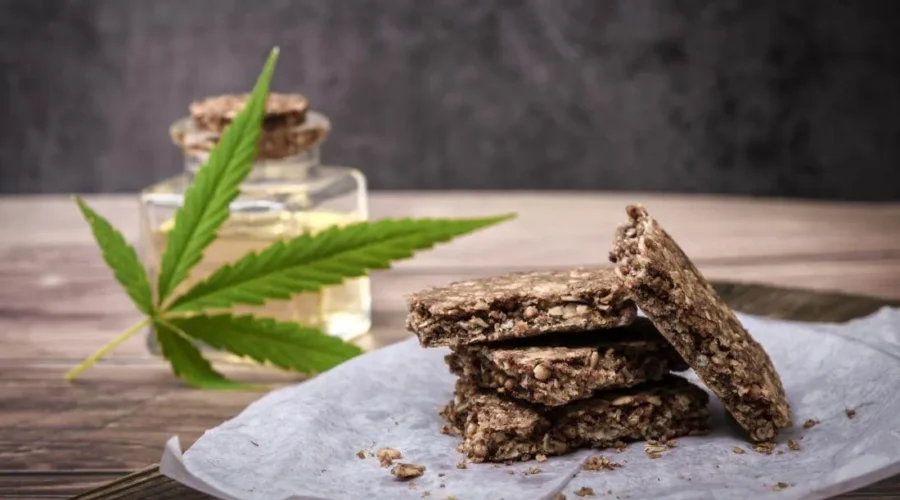
Cannabis Edibles: A Comprehensive Guide
Cannabis edibles are food or drink products infused with cannabinoids like THC (tetrahydrocannabinol) and CBD (cannabidiol), offering a smoke-free alternative for consumption. From gummies and chocolates to brownies, cookies, and beverages, edibles provide discreet, long-lasting effects and have become a dominant segment in the cannabis market. As legalization expands and innovations emerge, edibles appeal to both recreational and medical users seeking precise dosing and flavorful experiences. This article delves into their history, types, production, effects, benefits, risks, market trends, and legal landscape as of December 2025.
What Are Cannabis Edibles?
Cannabis edibles encompass any consumable item infused with cannabis extracts. Unlike inhaled forms, edibles are processed through the digestive system, where THC is converted into 11-hydroxy-THC—a more potent metabolite—in the liver.
- THC Edibles: Psychoactive, producing euphoria or relaxation.
- CBD Edibles: Non-intoxicating, often used for wellness.
- Balanced or Full-Spectrum: Combine THC, CBD, and minor cannabinoids like CBN or CBG for tailored effects.
Popular formats include solid foods (gummies, chocolates) and liquids (beverages).
History of Cannabis Edibles
Edibles trace back centuries. In ancient India, “bhang”—a cannabis-infused milk drink—was consumed during festivals. Medieval Middle Eastern majoun combined hashish with sweets.
In the West, Alice B. Toklas’s 1954 cookbook popularized “hashish fudge.” The 1960s counterculture embraced pot brownies. Modern commercialization began with medical legalization in California (1996), exploding after recreational laws in Colorado and Washington (2012-2014).
By 2025, innovations like fast-acting nanoemulsions and minor cannabinoid infusions mark a sophisticated era.
Types of Cannabis Edibles
Edibles vary widely:
- Gummies and Candies: Most popular for precise dosing and flavors.
- Chocolates and Bars: Rich, indulgent options.
- Baked Goods: Brownies, cookies—classic homemade styles now commercial.
- Beverages: THC-infused drinks, seltzers, and teas for quicker onset.
- Other: Mints, tinctures, or savory snacks.
Trends include vegan, low-sugar, and functional edibles with adaptogens.
How Cannabis Edibles Are Made
Commercial production:
- Extraction: Cannabinoids isolated via CO2 or ethanol.
- Decarboxylation: Heating activates THC/CBD.
- Infusion: Mixed into oils, butters, or nanoemulsions for better absorption.
- Formulation: Added to recipes with flavors and binders.
- Testing and Packaging: Lab-tested for potency; child-resistant packaging required.
Innovations like nanoemulsions reduce onset time to 15-30 minutes.
Effects of Cannabis Edibles
Onset: 30-120 minutes (longer than inhalation). Peak: 2-4 hours. Duration: 6-12 hours.
Effects: Relaxation, euphoria, pain relief, appetite stimulation; stronger body high due to liver metabolism.
Dosing: Start low (5-10mg THC); “start low, go slow” to avoid overconsumption.
Benefits and Risks
Benefits:
- Lung-friendly alternative to smoking.
- Longer-lasting relief for pain, anxiety, insomnia.
- Discreet and precise (in regulated products).
- Wellness-focused options with CBD or minor cannabinoids.
Risks:
- Delayed onset leads to overconsumption, causing anxiety or paranoia.
- Accidental ingestion by children/pets (packaging often mimics candy).
- Intense, prolonged effects; interactions with medications.
- Dependency potential with frequent high-THC use.
Child-resistant packaging and clear warnings are now mandatory in legal markets.
Market Trends in 2025
The global edibles market is booming, valued at ~USD 14-15 billion in 2025, projected to reach USD 50+ billion by 2034 (CAGR 15-22%).
Key trends:
- Fast-acting formulations.
- Beverages and functional products (e.g., sleep aids).
- Vegan/low-sugar options.
- Minor cannabinoids for targeted effects.
- Premium, artisanal items.
Legal Status (as of December 2025)
In the US:
- Recreational: Legal in 24 states + DC; medical in 40+.
- Federally: THC remains Schedule I, but state laws prevail.
- Hemp-derived (<0.3% delta-9 THC): Recent 2025 legislation bans many intoxicating hemp products (e.g., delta-8 edibles), closing loopholes—effective soon or phased.
Regulations often cap servings at 10mg THC, require child-resistant packaging, and ban appealing shapes/flavors for kids. Laws evolve rapidly—check local sources.
Cannabis edibles blend ancient traditions with modern innovation, offering versatile benefits but requiring responsible use. As markets mature, focus on safety, education, and quality will drive sustained growth. Always consult professionals for medical use.
Reach Out us at the following address:
Zion Market Research
244 Fifth Avenue, Suite N202
New York, 10001, United States
Tel: +1 (844) 845-5245
Email: [email protected]
More articles by InnovateIQ Researche:
https://www.zionmarketresearch.com/de/report/home-security-and-access-control-market
https://www.zionmarketresearch.com/de/report/flight-demonstrator-market
https://www.zionmarketresearch.com/de/report/field-programmable-gate-array-market-size
https://www.zionmarketresearch.com/de/report/novel-smart-textile-market
https://www.zionmarketresearch.com/de/report/shuttle-rack-market