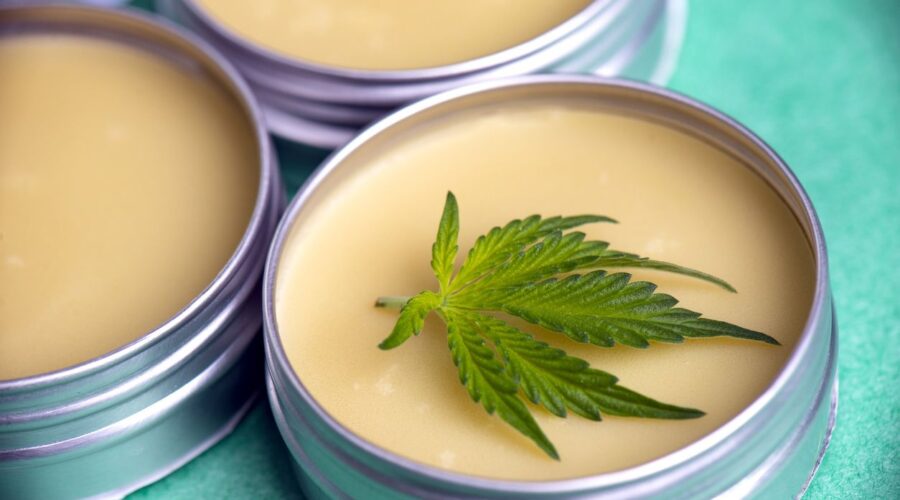
Cannabis Cream, also known as cannabis topical, THC cream, CBD balm, or marijuana lotion, is a skincare or pain-relief product infused with cannabinoids extracted from the cannabis plant. These topicals are formulated for direct application to the skin, where they interact with local cannabinoid receptors without producing systemic psychoactive effects. Unlike ingestible or inhalable cannabis products, topicals generally do not cause a “high” due to minimal penetration into the bloodstream.
The use of cannabis-infused ointments dates back thousands of years—ancient Chinese, Egyptian, and Indian texts describe cannabis salves for pain and inflammation. Modern cannabis creams gained popularity in the 1990s with medical cannabis legalization, and exploded in the 2010s-2020s alongside CBD’s mainstream acceptance. As of 2025, the global cannabis topical market is valued at approximately USD 2-3 billion, representing a fast-growing segment of the broader USD 50+ billion cannabis industry. Products range from over-the-counter CBD balms to prescription THC formulations, marketed for pain relief, skin conditions, arthritis, muscle soreness, and general wellness.
Types of Cannabis Creams
Cannabis topicals vary by cannabinoid content, base formulation, and intended use:
- CBD-Dominant Creams Non-psychoactive; derived from hemp (<0.3% THC). Most common OTC product.
- THC-Dominant Creams Psychoactive potential if high doses absorb systemically; available in legal recreational/medical markets.
- Balanced THC:CBD Creams 1:1 or custom ratios; synergistic “entourage effect” for enhanced relief.
- Full-Spectrum vs. Isolate Full-spectrum retains minor cannabinoids/terpenes; isolate pure CBD/THC.
- Specialized Formulations
- Pain relief (menthol, camphor cooling).
- Anti-inflammatory (arnica, turmeric).
- Skincare (hyaluronic acid, vitamins).
- Sports recovery (magnesium, essential oils).
Formats: Creams, lotions (lighter), balms (thicker, beeswax base), salves, gels, patches.
Key Ingredients and Formulation
Effective cannabis creams combine:
- Cannabinoid Extract: CBD isolate, distillate, or full-spectrum oil.
- Carrier Oils: Coconut, shea butter, olive, jojoba for penetration.
- Emulsifiers: Beeswax, lecithin for stability.
- Enhancers: Menthol, capsaicin (warming/cooling), terpenes (linalool, pinene).
- Preservatives: Vitamin E, rosemary extract.
Transdermal patches use penetration enhancers (DMSO, ethanol) for deeper/systemic delivery.
Mechanism of Action
Topicals interact with the endocannabinoid system (ECS) in skin:
- CB1/CB2 receptors on keratinocytes, immune cells, nerve endings.
- Local anti-inflammatory, analgesic effects.
- Minimal systemic absorption (large molecules, lipophilic nature limit bloodstream entry).
THC may bind CB1 on cutaneous nerves for pain modulation; CBD reduces inflammation via TRPV1 and adenosine pathways. Effects localized, onset 15-60 minutes, duration 2-6 hours.
Benefits and Uses
Reported applications:
- Pain Relief: Arthritis, neuropathy, muscle soreness, migraines.
- Inflammation: Eczema, psoriasis, acne.
- Skin Conditions: Dryness, itching, wound healing.
- Sports Recovery: Post-exercise soreness.
- Neurological: Localized multiple sclerosis spasticity.
Anecdotal success widespread; clinical evidence growing (CBD effective for epidermolysis bullosa, arthritis pain in small trials).
Safety and Side Effects
Generally safe:
- Low systemic absorption.
- Minimal psychoactivity.
- Rare irritation (patch test recommended).
Contraindications: Open wounds (infection risk), pregnancy (limited data). Drug interactions unlikely topically.
Quality critical: Third-party tested for potency, contaminants.
Application Tips
- Apply liberally to clean skin.
- Massage gently.
- Layer with occlusion (plastic wrap) for deeper penetration.
- Reapply 2-4 times daily.
- Combine with oral CBD for enhanced effect.
Market and Popular Products
Leading brands:
- Mary’s Medicinals (transdermal patches).
- Apothecanna, Lord Jones (luxury CBD).
- Papa & Barkley (THC balms).
- Charlotte’s Web, cbdMD (OTC creams).
Trends: Cooling/warming, high-potency (1,000+ mg), scented/unscented, vegan.
Legal Status
- CBD topicals: Widely legal (hemp-derived).
- THC topicals: Restricted to legal cannabis states/countries.
FDA regulates claims; no disease treatment allowed for OTC.
Conclusion
Cannabis creams offer targeted, non-psychoactive relief for pain, inflammation, and skin issues, bridging traditional herbalism with modern cannabinoid science. Their localized action, safety profile, and versatility drive growing popularity in wellness and medical contexts. While robust clinical evidence lags anecdotal reports for some uses, quality formulations from reputable sources provide meaningful benefits. As research expands and regulations evolve, cannabis topicals will likely become mainstream options for localized symptom management.
More articles by ZMR Researche:
https://www.zionmarketresearch.com/de/report/water-filtration-systems-market
https://www.zionmarketresearch.com/de/report/bourbon-spirits-market
https://www.zionmarketresearch.com/de/report/logistics-picking-robots-market
https://www.zionmarketresearch.com/de/report/logistics-picking-robots-market
https://www.zionmarketresearch.com/de/report/smart-virtual-personal-assistants-market-size