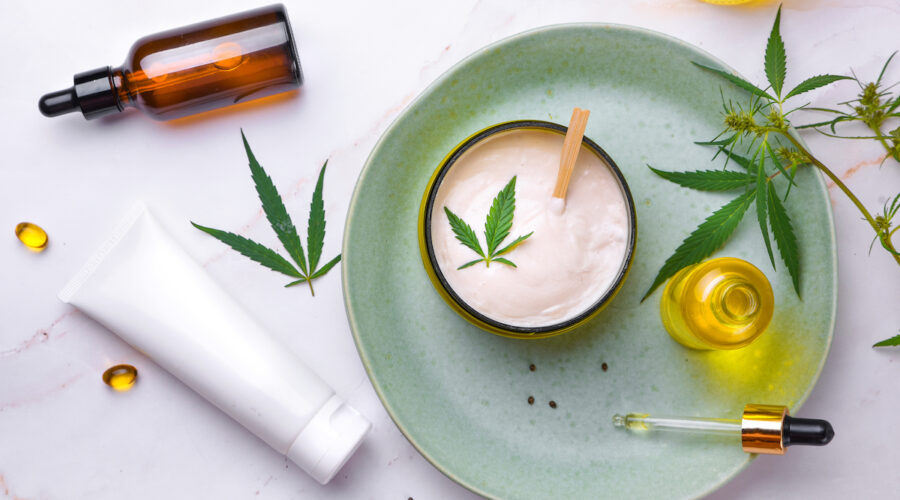
CBD products encompass a wide range of items infused with cannabidiol (CBD), a non-psychoactive cannabinoid derived primarily from hemp (a variety of Cannabis sativa with ≤0.3% THC). Unlike THC, CBD does not cause intoxication or a “high,” making it popular for wellness, relaxation, and potential therapeutic support.
CBD interacts with the body’s endocannabinoid system to help regulate stress, sleep, mood, inflammation, and pain perception. The global CBD market continues to expand rapidly, valued at around USD 10-12 billion in 2025-2026 and projected to grow at a CAGR of 13-16% through the early 2030s, driven by consumer demand for natural alternatives to manage anxiety, sleep issues, chronic discomfort, and overall balance.
As of January 2026, CBD Products include oils/tinctures, gummies/edibles, topicals, capsules, beverages, and isolates. Popularity stems from discreet use, precise dosing, and varied formats. However, quality varies widely—always prioritize third-party tested products with clear labeling.
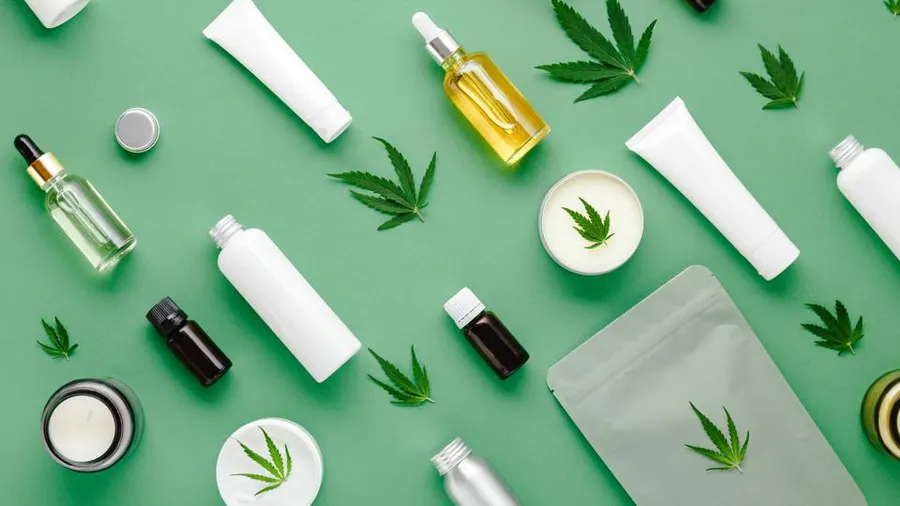
Types of CBD Products
CBD products fall into three main spectrums:
- Full-Spectrum — Contains CBD + other cannabinoids, terpenes, and trace THC (<0.3%). Offers potential “entourage effect” for enhanced benefits.
- Broad-Spectrum — Similar but THC removed (THC-free).
- Isolate — Pure CBD (99%+), no other cannabinoids/terpenes.
Common formats include:
- CBD Oils & Tinctures Liquid extracts (often in MCT oil, hemp seed oil, or alcohol base) taken sublingually for fast absorption (15-60 minutes onset, 4-6 hours duration). Popular for precise dosing and versatility (add to food/drinks).
- CBD Gummies & Edibles Chewy candies or other foods (chocolates, beverages) with pre-measured doses. Slower onset (30-120 minutes) but longer-lasting (4-8+ hours). Flavors mask hemp taste; ideal for beginners or daily routines.
- CBD Capsules & Softgels Pre-dosed pills swallowed like vitamins. Consistent, no taste, slower onset via digestion.
- Topicals (Creams, Balms, Lotions) Applied to skin for localized relief (e.g., joints, muscles). No systemic effects or high.
- CBD Beverages & Other Infused drinks, teas, or isolates for mixing. Emerging formats include pet products and wellness blends (e.g., CBD + melatonin for sleep).
Potential Benefits
Research and user reports highlight several areas (note: not all claims are FDA-approved except Epidiolex for seizures):
- Stress & Anxiety Relief — May influence serotonin receptors for calming effects.
- Sleep Support — Helps with falling asleep or quality, especially when combined with CBN/melatonin.
- Pain & Inflammation — Anti-inflammatory properties may ease chronic discomfort, arthritis, or post-exercise soreness.
- General Wellness — Mood balance, focus, recovery, and mild support for conditions like neurological issues.
Benefits vary by individual factors (dose, metabolism, consistency). Start low and monitor effects.
Dosage Guidelines
No standard dose exists—personalize based on needs:
- Beginner — 10-20 mg/day
- Moderate — 25-50 mg
- Higher — 50-100+ mg (split doses)
Start low (e.g., 5-10 mg), increase gradually every few days. Factors: body weight, tolerance, purpose. Consult a healthcare provider, especially with medications (CBD can interact via liver enzymes CYP450).
Side Effects & Safety
CBD is generally well-tolerated; mild side effects may include:
- Dry mouth
- Drowsiness/fatigue
- Appetite changes
- Digestive upset
Rare concerns: liver effects at very high doses. Avoid if pregnant/breastfeeding. Choose tested products to avoid contaminants (pesticides, heavy metals).
Legality in 2026
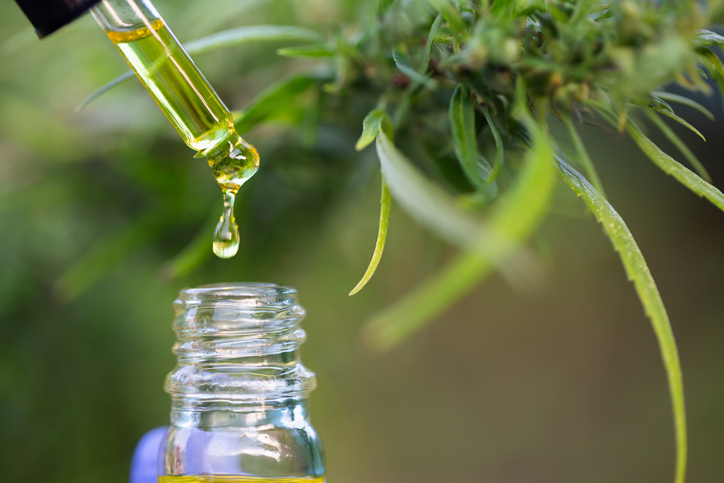
United States Hemp-derived CBD (<0.3% delta-9 THC by dry weight) remains federally legal under the 2018 Farm Bill. Major 2025-2026 changes (via appropriations acts like H.R. 5371) redefine hemp with stricter total THC limits (<0.4 mg per finished container effective November 2026), primarily targeting intoxicating hemp products (delta-8/THC analogs). Pure CBD isolate/broad-spectrum and most non-intoxicating full-spectrum products should remain accessible, though full-spectrum may face restrictions if THC exceeds per-container thresholds. FDA regulates claims strictly—no approved dietary supplements; focus on mislabeling/enforcement. State laws vary.
India (including Maharashtra/Nagpur) Hemp-derived CBD products (<0.3% THC) are legal for wellness/medical use if compliant. Governed by:
- NDPS Act 1985 — Prohibits high-THC cannabis/marijuana; hemp-derived low-THC CBD exempt.
- Drugs & Cosmetics Act 1940 — Requires licensing for medicinal claims; many sold as supplements or Ayurvedic products.
- FSSAI regulations — Food safety standards apply.
Maharashtra restricts hemp cultivation/processing (permission needed). THC-containing products (including edibles with trace THC) are illegal recreationally—severe penalties possible. Buy only from licensed/verified sources (often online/pharmacies) with lab reports (COA) confirming <0.3% THC, no contaminants. Avoid imports without checks; consult a doctor for therapeutic use. Bhang (leaves-based) permitted limitedly during festivals.
How to Choose Quality CBD Products
Look for:
- Third-party lab testing (COA) for potency, purity, contaminants.
- Clear labeling (mg CBD per serving, spectrum, ingredients).
- Reputable sourcing (organic/U.S./EU hemp preferred).
- Transparent brands (e.g., Lazarus Naturals, Joy Organics, Charlotte’s Web—frequently praised in 2026 reviews for consistency).
Avoid unverified online sellers or products without testing.
Market Trends in 2026
Globally, CBD demand grows with focus on:
- Personalized blends (e.g., CBD + adaptogens/melatonin).
- Pet products.
- Sustainability/organic sourcing.
- Retail expansion (pharmacies, wellness stores).
In India, rising awareness drives online/pharmacy sales of compliant hemp CBD, though stigma and regulations slow mainstream adoption.
Conclusion
CBD products offer versatile, non-intoxicating options for wellness support—tinctures for fast effects, gummies for convenience, topicals for targeted relief. While promising for stress, sleep, and discomfort, results vary; they’re not medical substitutes. Prioritize quality-tested, compliant products and start conservatively. In India (Nagpur/Maharashtra), stick to low-THC hemp-derived items from verified sources to stay legal. Consult a healthcare professional for personalized guidance, especially with conditions or medications, to use safely and effectively in this evolving landscape.
More articles by ZMR Researche:
https://www.zionmarketresearch.com/de/report/wide-body-aircraft-mro-market
https://www.zionmarketresearch.com/de/report/freight-transport-market
https://www.zionmarketresearch.com/de/report/intraoperative-neuromonitoring-market
https://www.zionmarketresearch.com/de/report/fishing-rod-market
https://www.zionmarketresearch.com/de/report/car-t-cell-therapy-market