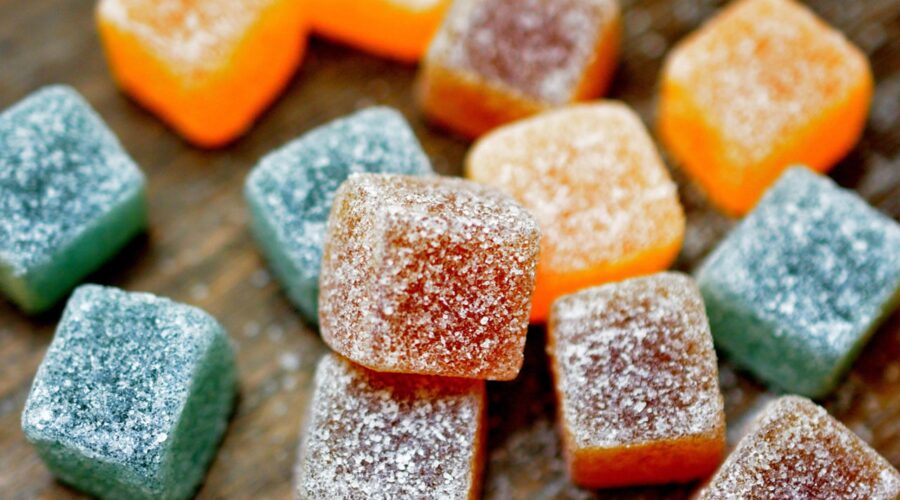
Delta-8 gummies are edible cannabis products infused with delta-8-tetrahydrocannabinol (Delta-8 THC), a minor cannabinoid found in trace amounts in hemp and cannabis plants. Unlike the more abundant delta-9 THC (the primary psychoactive compound in marijuana), delta-8 THC is chemically similar but produces a milder, clearer-headed high—often described as “diet weed” or a “lighter” version of traditional cannabis effects.
These gummies typically come in fruity flavors (e.g., strawberry, mango, pineapple), with dosages ranging from 10–50 mg per gummy. They gained massive popularity in the early 2020s as a hemp-derived alternative, sold openly in gas stations, vape shops, online, and convenience stores—even in states without legal recreational marijuana. Users seek relaxation, mild euphoria, pain relief, or appetite stimulation without the intense psychoactivity or anxiety sometimes linked to delta-9.
As of January 2026, the landscape has shifted dramatically due to federal U.S. legislation closing the “hemp loophole.” Delta-8 gummies remain a topic of interest, but availability, legality, and safety concerns have changed significantly.
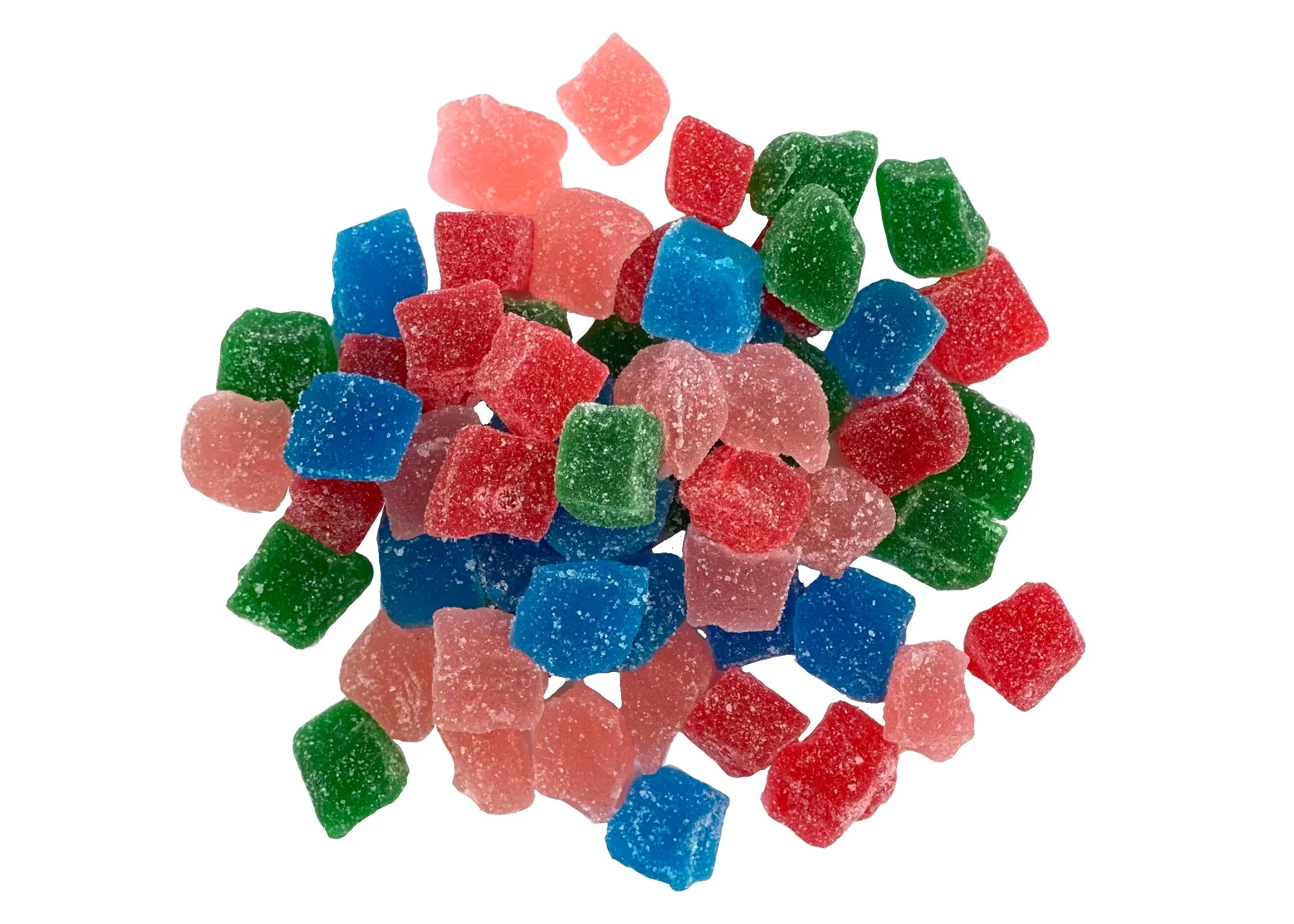
What Are Delta-8 Gummies?
Delta-8 THC is an isomer of delta-9 THC, differing only in the position of a double bond in its molecular structure (delta-8 has the bond on the 8th carbon chain, delta-9 on the 9th). This subtle change reduces binding affinity to CB1 receptors in the brain, resulting in less potent psychoactive effects.
Production Process
- Naturally occurs in very low concentrations in hemp/cannabis.
- Commercially, most delta-8 is synthetically converted from CBD extracted from hemp via acid-catalyzed isomerization (e.g., using solvents and catalysts).
- The extract is then infused into gummy bases (gelatin or pectin, sugars, flavors, colors).
Common Formats
- Gummies (most popular for precise dosing and taste-masking).
- Other edibles like chocolates, brownies, or beverages.
Effects onset in 30–120 minutes (slower due to digestion), peak at 2–4 hours, and last 4–8+ hours—longer than vaping or smoking.
How Delta-8 Gummies Work
Delta-8 THC interacts with the endocannabinoid system, primarily binding to CB1 receptors (though less strongly than delta-9). This produces:
- Mild euphoria and relaxation
- Altered perception (less intense than delta-9)
- Potential anti-nausea, appetite stimulation, and pain relief
Users often report a “clearer,” more functional high—less couch-lock, paranoia, or sedation compared to delta-9, making it appealing for daytime use or anxiety-sensitive individuals.
Potential Effects and Benefits
Anecdotal and limited studies suggest:
- Relaxation and stress relief — Many describe a calm, uplifting mood without heavy sedation.
- Mild euphoria — Gentle “buzz” or creativity boost.
- Pain and inflammation support — Similar to other cannabinoids.
- Appetite stimulation — Less intense “munchies” than delta-9.
- Nausea reduction — Potential aid for mild digestive issues.
Some surveys indicate users prefer delta-8 over delta-9 for its balanced profile, with fewer negative side effects like anxiety. However, scientific evidence remains limited compared to delta-9 or CBD.
Side Effects and Risks
Common side effects mirror other THC products but often milder:
- Dry mouth, red eyes
- Drowsiness or fatigue
- Increased heart rate
- Dizziness, anxiety, or paranoia (especially at higher doses)
- Nausea or headache
Key Risks
- Overconsumption — Delayed onset leads many to redose too soon, causing intense impairment.
- Adverse events — FDA reports note hospitalizations from delta-8 edibles (e.g., gummies mistaken for regular candy by children).
- Contaminants — Synthetic production raises concerns over residual solvents, heavy metals, or unknown byproducts if not third-party tested.
- Drug interactions — May affect medications metabolized by liver enzymes.
Avoid if pregnant, breastfeeding, under 21, or operating machinery/vehicles.
Dosage Guidelines
Start low and go slow:
- Beginners — 5–10 mg
- Moderate — 10–25 mg
- Experienced — 25–50+ mg
Wait 1–2 hours before additional doses. Factors like body weight, tolerance, metabolism, and empty stomach influence intensity.
Comparison: Delta-8 vs. Delta-9 Gummies
| Aspect | Delta-8 Gummies | Delta-9 Gummies |
|---|---|---|
| Psychoactive Strength | Milder (often ~50–70% as potent as delta-9) | Stronger, classic “high” |
| Effects | Clear-headed, relaxing, less anxiety-prone | More euphoric, potentially sedating or anxious |
| Onset/Duration | 30–120 min onset, 4–8+ hours | Similar, but often more intense peak |
| Source | Hemp-derived (synthetic conversion from CBD) | Marijuana-derived or high-THC hemp (legal in some states) |
| Availability (pre-2026) | Widely sold in non-legal states | Dispensary-only in legal states |
| Legality (U.S. 2026) | Federally restricted/banned for most products | State-dependent; dispensary-legal where recreational/medical allowed |
Delta-8 was marketed as a legal loophole alternative; delta-9 offers a more traditional experience.
Legality in 2026
United States The 2018 Farm Bill created a loophole allowing hemp-derived products (<0.3% delta-9 THC by dry weight) to include other intoxicating cannabinoids like delta-8. However, late 2025 legislation (e.g., H.R. 5371, part of appropriations acts) redefined hemp to exclude synthetic/intoxicating cannabinoids and set strict limits: <0.4 mg total THC per finished container. This effectively bans most delta-8 gummies and similar products federally starting November 2026 (with some grace periods).
- Pre-ban: Sold nationwide in many non-legal states.
- Post-ban: Interstate commerce restricted; many states may align or enforce stricter rules.
- Exceptions: Pure CBD or non-intoxicating hemp may remain, but intoxicating delta-8 products face significant barriers.
India (including Maharashtra/Nagpur) Delta-8 THC gummies are effectively illegal under the NDPS Act, 1985. Any product with psychoactive THC (including delta-8) is classified as a narcotic if exceeding trace levels.
- Hemp-derived CBD (<0.3% THC) may be permitted for wellness (often medical/FSSAI-regulated).
- THC-containing edibles (including delta-8) face severe penalties for possession, sale, or use.
- Maharashtra restricts hemp cultivation and cannabis products tightly—no recreational market.
- Avoid entirely; imports or online purchases risk enforcement.
How to Choose Quality Delta-8 Gummies (Where Previously Legal)
- Third-party lab testing (COA) for potency, purity, no contaminants.
- Transparent sourcing (U.S. hemp, clear extraction methods).
- Reputable brands with accurate labeling.
Conclusion
Delta-8 gummies offered a convenient, milder THC experience that filled a gap in non-legal cannabis markets, appealing for relaxation without overwhelming effects. However, safety concerns (especially around synthetic production and accidental ingestion), limited research, and major federal restrictions in the U.S. (effective late 2026) have dramatically reduced availability. In India, psychoactive THC products remain prohibited. If exploring cannabinoids, prioritize tested, compliant options (e.g., CBD-only) and consult healthcare professionals. Always verify current local laws, as regulations evolve rapidly in this space. Responsible use remains essential wherever accessible.
More articles by ZMR Researche:
https://www.zionmarketresearch.com/de/report/sustainable-catering-services-market
https://www.zionmarketresearch.com/de/report/silage-film-market
https://www.zionmarketresearch.com/de/report/cnc-machine-market
https://www.zionmarketresearch.com/de/report/pressure-transmitter-market
https://www.zionmarketresearch.com/de/report/cardiovascular-monitoring-diagnostic-devices-market