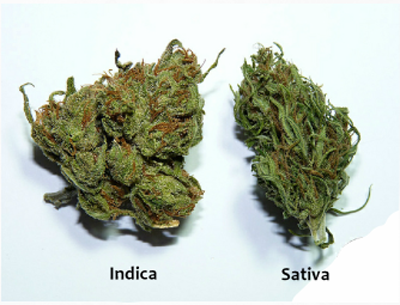
Cannabis indica is one of the primary subspecies of the Cannabis plant, alongside Cannabis sativa and Cannabis ruderalis. Originating from the harsh, mountainous regions of Afghanistan, Pakistan, India, and surrounding areas (notably the Hindu Kush), it is characterized by its compact, bushy growth and higher concentrations of sedative cannabinoids.
Traditionally associated with relaxing, “body-high” effects, C. indica strains are popular for evening use, pain relief, and sleep aid. Modern genetics show most commercial cannabis as hybrids, but the indica classification persists in consumer culture. As of 2025, indica-dominant products dominate medical and recreational markets for their therapeutic profile, contributing to the global cannabis industry’s growth.
Botany and Morphology
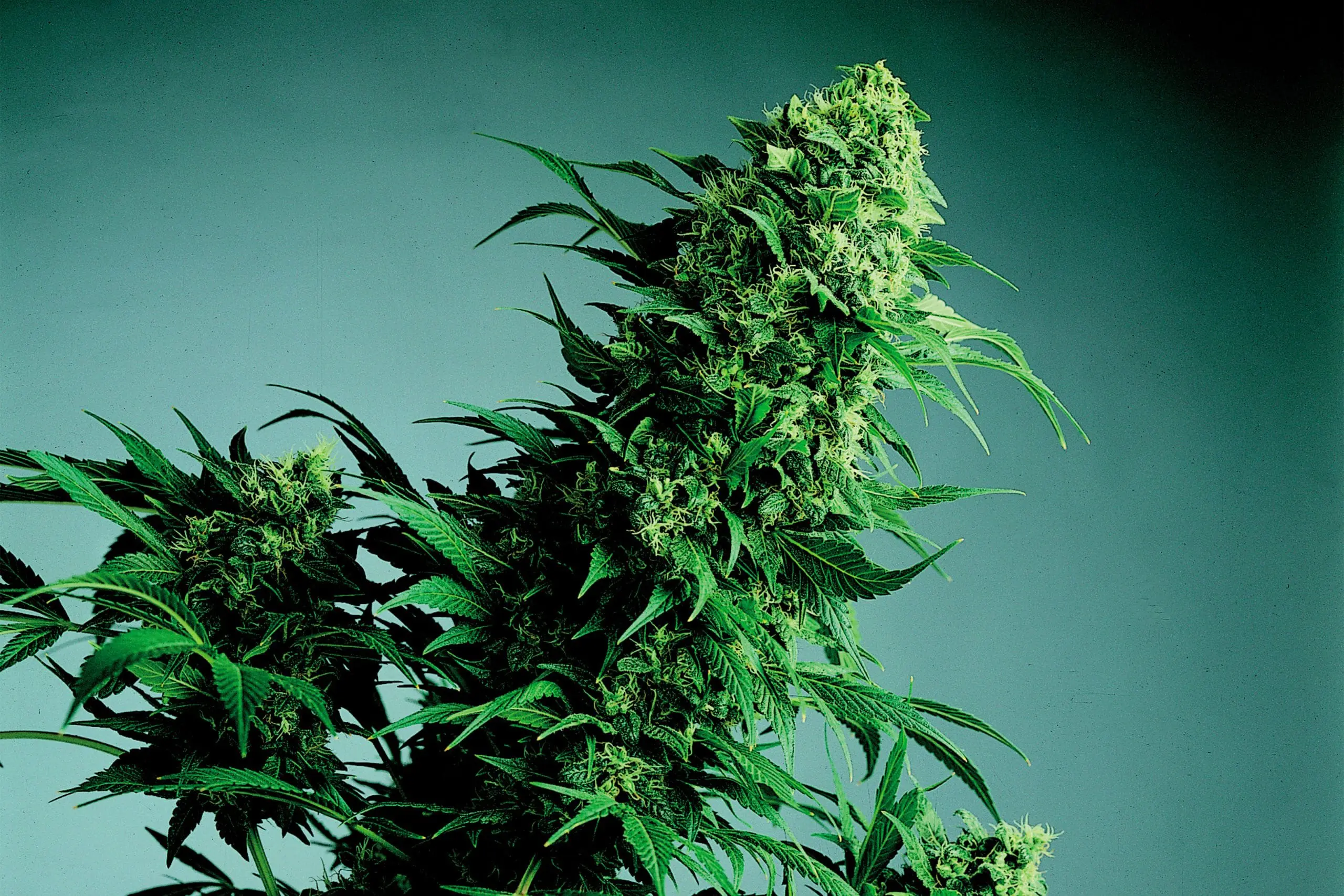
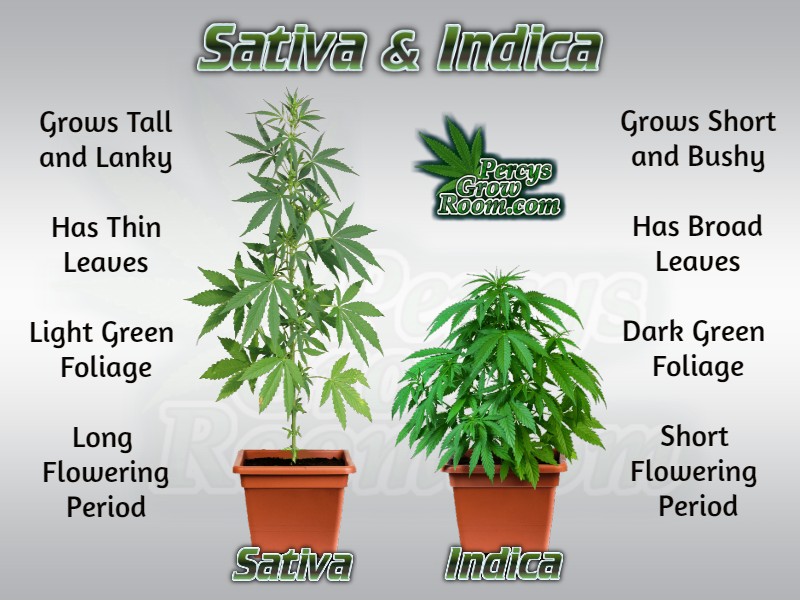
C. indica is shorter and stockier than sativa, typically reaching 2-4 feet indoors (up to 6-8 feet outdoors), with broad, dark green leaves featuring 7-9 wide leaflets. Stems are thick and woody; plants develop dense, resinous buds clustered around nodes. This morphology adapts to cooler, turbulent climates with shorter growing seasons.
Indica vs. Sativa: Key Differences
Visual and growth comparisons between indica and sativa:
| Aspect | Cannabis Indica | Cannabis Sativa |
|---|---|---|
| Height | Short, bushy (2-6 ft) | Tall, slender (6-20 ft) |
| Leaves | Broad, wide leaflets (dark green) | Narrow, long leaflets (lighter green) |
| Buds | Dense, heavy, resinous | Airy, elongated |
| Flowering Time | Shorter (8-10 weeks) | Longer (10-16 weeks) |
| Effects (Traditional) | Sedating, body relaxation, “couch-lock” | Energizing, cerebral, uplifting |
| Terpene Profile | Earthy, musky (myrcene dominant) | Citrusy, piney |
| Origin | Mountainous regions (Hindu Kush) | Equatorial lowlands |
Modern taxonomy emphasizes chemotypes over strict indica/sativa labels, as effects depend more on cannabinoid/terpene ratios.
Chemical Composition
Indica strains typically feature higher CBD-to-THC ratios and elevated myrcene (a sedative terpene), contributing to relaxing effects. Common cannabinoids: THC (15-25%+ in modern strains), CBD, CBN (sedative metabolite). Terpenes like linalool and pinene add calming aromas.
History and Classification
French biologist Jean-Baptiste Lamarck classified C. indica in 1785, distinguishing it from Linnaeus’s C. sativa based on specimens from India. Used traditionally in hashish production (charas) and Ayurvedic medicine.
Cultivation and Popular Strains
Indica grows well indoors due to compact size; prefers cooler temperatures. Famous strains: Granddaddy Purple, Northern Lights, OG Kush, Bubba Kush—prized for potency and yield.
Uses and Effects
- Recreational: Deep relaxation, appetite stimulation, sleep aid.
- Medicinal: Chronic pain, insomnia, anxiety, muscle spasms, nausea.
- Hybrid Dominance: Most products are indica-dominant hybrids for balanced effects.
Health Benefits and Risks
Potential benefits include anti-inflammatory properties, sedation for insomnia, and appetite boost. Risks: Drowsiness, dry mouth, potential for dependency; caution with mental health conditions.
Legal Status (as of 2025)
Similar to sativa: Varies globally; medical/recreational legalization expanding.
Environmental Impact
Indica’s shorter cycle can reduce resource use in cultivation; landrace preservation supports biodiversity.
Conclusion
Cannabis indica embodies the plant’s sedative heritage, offering therapeutic value in a rapidly evolving industry. While pure indicas are rare today, their genetics influence countless hybrids shaping modern cannabis culture and medicine.
More articles by ZMR Researche:
https://www.zionmarketresearch.com/de/report/process-gas-compressor-market
https://www.zionmarketresearch.com/de/report/sintered-zns-lenses-market
https://www.zionmarketresearch.com/de/report/flight-demonstrator-market
https://www.zionmarketresearch.com/de/report/novel-smart-textile-market
https://www.zionmarketresearch.com/de/report/agricultural-shade-nets-market