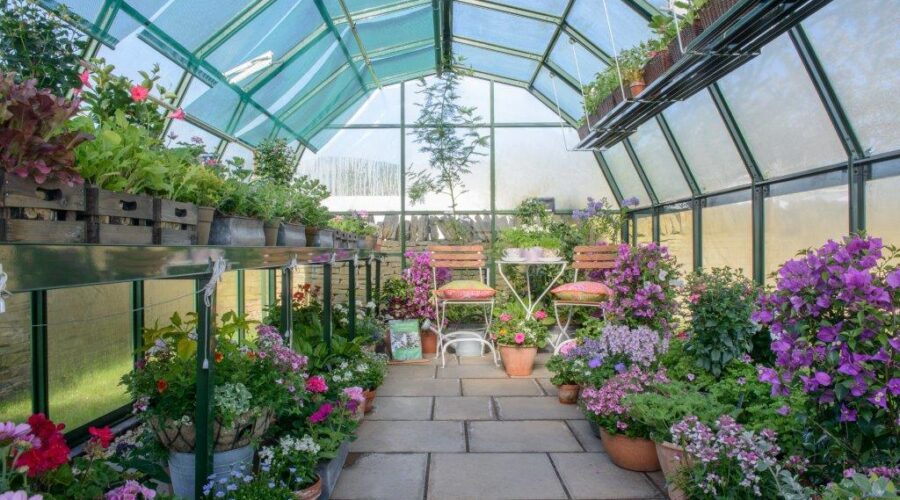
High-end greenhouses are premium, custom-designed structures that blend architectural elegance with advanced horticultural functionality. These luxury glasshouses, often Victorian-inspired or modern minimalist, serve as year-round growing spaces, conservatories, or garden pavilions for discerning homeowners, estates, and boutique commercial growers.
Featuring superior materials like powder-coated aluminum frames, tempered safety glass, and automated systems, they offer durability, aesthetics, and precise environmental control. The high-end greenhouse market, encompassing luxury residential and advanced commercial models, was valued at USD 587–890 million in recent years, projected to reach USD 890 million–4 billion by 2030–2034, growing at CAGRs of 5–8%, fueled by demand for sustainable home gardening, exotic plant cultivation, and architectural integration.
History and Evolution
Greenhouses trace roots to Roman times, but Victorian-era England (19th century) popularized ornate glass structures for exotic plants from colonies. Modern high-end designs evolved from these, shifting to aluminum frames in the mid-20th century for low maintenance and strength.
Post-2000s innovations include energy-efficient glazing, automated controls, and sustainable materials. Brands like Hartley Botanic (since 1938) and Alitex preserve Victorian heritage while incorporating contemporary tech.
Design and Materials
High-end greenhouses emphasize timeless aesthetics and engineering excellence:
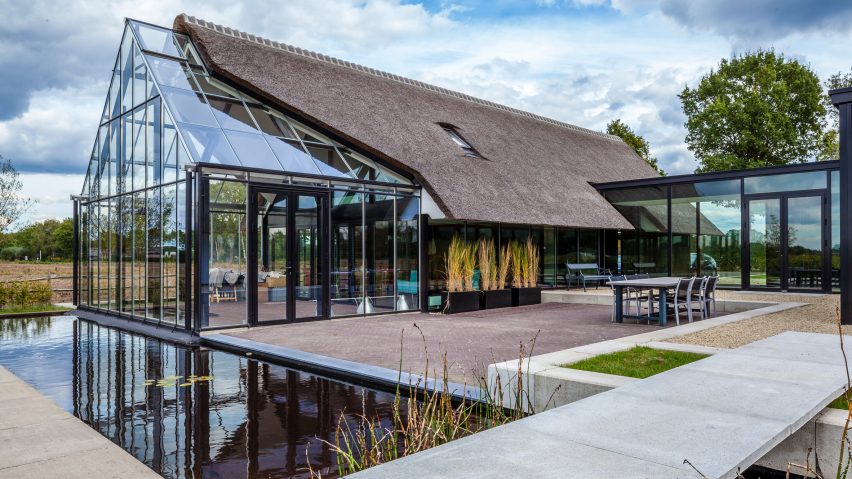
- Styles: Classic Victorian (ornate ridges, finials), modern (clean lines, pent roofs), or hybrid.
- Frames: Powder-coated aluminum (rust-free, strong) or Accoya wood (sustainable, decay-resistant).
- Glazing: Tempered safety glass, polycarbonate (impact-resistant), or reflective for shading.
- Features: Steep roof pitches (45° for light/ventilation), dwarf walls, automated vents, wide doors.
Interiors often include staging, shelving, and heating for year-round use.
Leading Brands
Premium manufacturers include:
- Hartley Botanic (UK): Handmade aluminum Victorians; endorsed by Kew Gardens.
- Alitex (UK): Victorian-style, National Trust partnerships.
- Cultivar (UK/USA): Custom, modern/Victorian hybrids.
- Janssens (Belgium): Royal/Modern lines with sleek designs.
- Gothic Arch, BC Greenhouse, Wisconsin Greenhouse: North American custom luxury.
These brands offer lifetime warranties and bespoke options.
Benefits and Applications
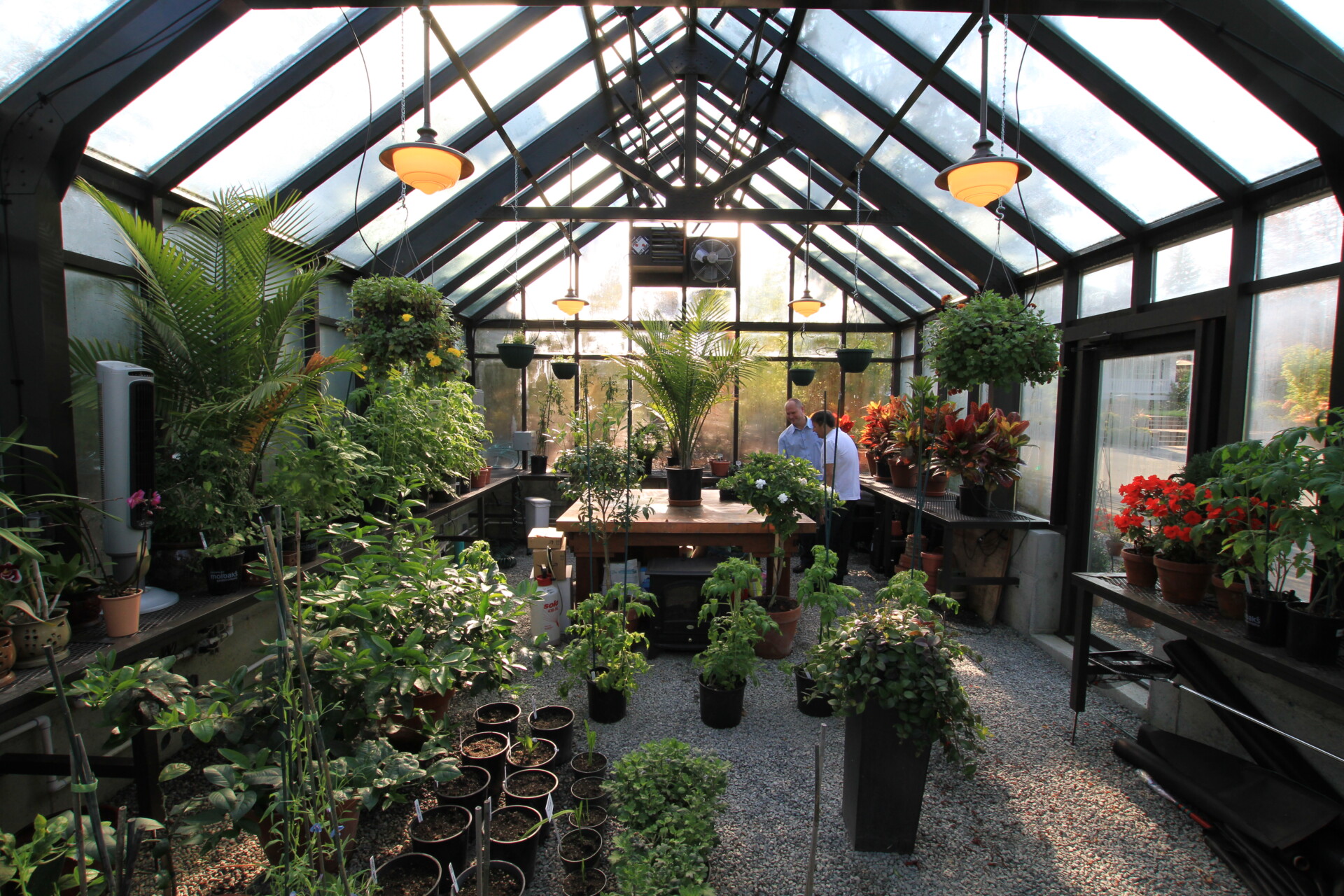
- Residential: Private oases for orchids, vegetables, or relaxation.
- Commercial/Boutique: High-yield controlled environments for premium produce.
- Advantages: Extended seasons, pest protection, architectural value (increases property appeal).
Cost and Considerations
Prices range from $20,000–$100,000+ for residential; commercial higher. Factors: Size, materials, automation. Custom builds require foundations/permits.
In summary, high-end greenhouses elevate gardening to an art form, combining heritage craftsmanship with modern efficiency. Ideal for passionate growers seeking beauty and performance—consult specialists for tailored designs.
More articles by ZMR Researche:
https://www.zionmarketresearch.com/de/report/hydroxypropyl-methylcellulose-hpmc-market
https://www.zionmarketresearch.com/de/report/micro-switch-market
https://www.zionmarketresearch.com/de/report/utility-knives-market
https://www.zionmarketresearch.com/de/report/cnc-video-measuring-market
https://www.zionmarketresearch.com/de/report/industrial-sulfuric-acid-market