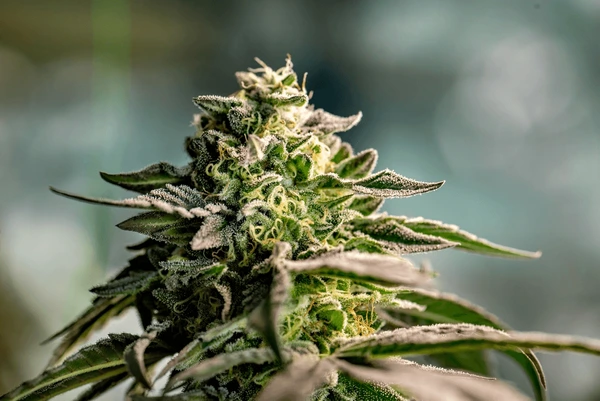
Cannabis Flower: A Comprehensive Guide
Cannabis flower, commonly known as bud or weed, refers to the dried and cured flowers of the female cannabis plant. It is the most traditional and widely consumed form of cannabis, prized for its rich cannabinoid and terpene profiles that deliver potent effects through smoking, vaping, or other methods. Containing varying levels of THC (the primary psychoactive compound) and CBD, flower remains the cornerstone of the cannabis market despite the rise of edibles and concentrates. As of December 2025, advancements in breeding have pushed THC potencies to 25-35% in premium strains, while THCA-rich hemp flower offers legal alternatives in restricted areas. This article covers its definition, history, types, cultivation, effects, benefits, risks, market trends, and legal status.
What Is Cannabis Flower?
Cannabis flower consists of the dried buds from female Cannabis sativa or indica plants, rich in trichomes—glandular structures producing cannabinoids like THC, CBD, and terpenes responsible for aroma and flavor.
- Key Components: Trichomes contain the highest concentrations of active compounds; high-quality flower appears frosty and sticky.
- Potency: Modern strains average 15-30% THC, with some exceeding 35%.
- THCA Flower: A popular legal variant from hemp (<0.3% delta-9 THC pre-heating), converting to THC when smoked.
Flower is typically consumed via joints, pipes, bongs, or vaporizers for rapid onset.
History of Cannabis Flower
Cannabis use dates back thousands of years, with evidence of burned seeds in ancient braziers from Asia. Historical texts from China (circa 2700 BCE) describe it for medicinal purposes, while Indian traditions incorporated bhang from flowers.
In the West, cannabis flower gained prominence in the 19th century for medicine, but prohibition in the 1930s criminalized it. The 1960s counterculture revived its recreational use, leading to modern breeding. Legalization in states like California (medical, 1996) and Colorado (recreational, 2012) spurred sophisticated cultivation, resulting in today’s diverse, high-potency strains.
Types and Strains
Traditionally classified as:
- Sativa: Tall plants; uplifting, energetic effects.
- Indica: Bushy; relaxing, sedative effects.
- Hybrid: Most modern strains; balanced or dominant traits.
Effects depend more on cannabinoids and terpenes than plant structure. Popular strains include classics like OG Kush (hybrid) and newer high-THC varieties.
THCA flower from hemp provides similar experiences legally in many areas.
Cultivation and Production
Cannabis plants are grown indoors, outdoors, or in greenhouses.
- Outdoor: Natural sunlight; larger yields, seasonal.
- Indoor: Controlled environments; higher potency, year-round.
- Harvest: Female plants (unsinseminated for higher THC); trimmed, dried, cured.
Quality indicators: Dense buds, vibrant colors, strong aroma, high trichome coverage.
Effects of Cannabis Flower
Inhalation provides onset in minutes, peaking at 30-60 minutes, lasting 2-4 hours.
- Positive: Euphoria, relaxation, creativity, pain relief.
- Strain-Specific: Sativas energize; indicas sedate.
Terpenes enhance via the “entourage effect.”
Benefits and Risks
Benefits:
- Rapid relief for pain, anxiety, nausea.
- Preferred for nuanced effects from full-spectrum cannabinoids.
Risks:
- Lung irritation from smoking.
- Overconsumption leads to anxiety or paranoia.
- Impaired coordination; higher heart attack/stroke risks in some studies.
- Dependency potential.
Vaporizing reduces risks.
Market Trends in 2025
Flower dominates sales despite edibles/concentrates growth. U.S. market projected at $35-47 billion.
Trends:
- High-THC/terpene-rich strains.
- Premium indoor vs. affordable outdoor.
- THCA hemp flower booming in non-legal states.
- Declining wholesale prices due to oversupply.
Global market grows rapidly with legalization.
Legal Status (as of December 2025)
- U.S.: Recreational legal in 24 states + DC; medical in 40+.
- Federal: Remains Schedule I, though rescheduling to III proposed/discussed.
- Hemp-derived THCA flower (<0.3% delta-9 THC) widely available federally, but state restrictions vary.
Laws evolve; check local regulations.
Cannabis flower endures as the purest form of the plant, blending tradition with innovation. Responsible consumption, quality sourcing, and awareness of laws ensure safe enjoyment. As research expands, its therapeutic potential continues to unfold.
Reach Out us at the following address:
Zion Market Research
244 Fifth Avenue, Suite N202
New York, 10001, United States
Tel: +1 (844) 845-5245
Email: [email protected]
More articles by InnovateIQ Researche:
https://www.zionmarketresearch.com/de/report/advanced-apparel-manufacturing-market
https://www.zionmarketresearch.com/de/report/intelligent-video-analytics-system-market
https://www.zionmarketresearch.com/de/report/swimming-pool-chemicals-market
https://www.zionmarketresearch.com/de/report/refiberd-textile-market
https://www.zionmarketresearch.com/de/report/agricultural-shade-nets-market